
Understanding Career Transitions
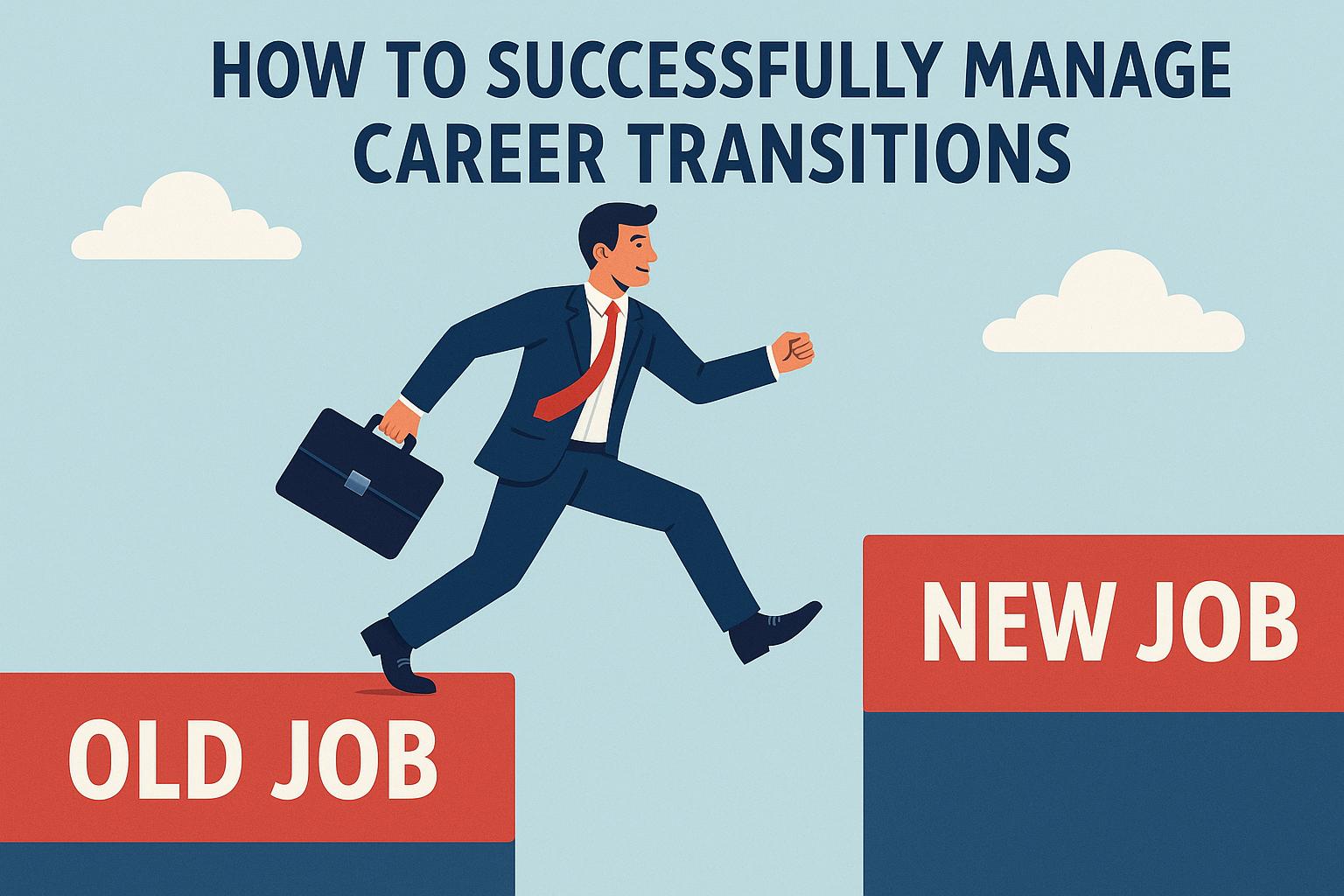
Career transitions are an inevitable aspect of professional growth and development. Whether driven by the pursuit of new challenges, the need for better work-life integration, or the alignment of work with personal passions, these transitions require strategic planning and execution to ensure a seamless shift into a new professional phase. Success in transitioning careers often depends on understanding one’s own motivations, defining clear goals, and leveraging the right resources and networks.
Assessing Your Current Situation
The first step in managing a successful career transition involves a careful examination of your present professional standing. This requires an honest evaluation of your job satisfaction, pinpointing elements that contribute to or detract from your current work experience. Factors to consider include your daily responsibilities, the organizational culture of your workplace, and whether there are viable opportunities for career growth within your current role or company. Reflecting deeply on these components will illuminate whether remaining in your current position aligns with your long-term career aspirations or if seeking new pathways is warranted. Such introspection will guide your decision-making and refine your approach to transitioning careers.
Identifying Career Goals
Crafting a clear and structured outline of your career objectives is pivotal when considering a transition. Begin this process by articulating both short-term achievements and long-term aspirations. Conceive how your existing skills, expertise, and experiences can be translatable to your envisioned career path. This alignment is critical as it ensures you pursue opportunities that not only interest you but are realistically attainable given your current capabilities and experiences. The clarity provided by well-defined career goals enhances decision-making and positions you for a successful transition by focusing your efforts on roles that mesh harmoniously with your career vision.
Self-Assessment
A comprehensive self-assessment is integral to understanding your professional persona—your strengths, areas of potential, and aspects needing development. This reflective exercise can take numerous forms, including personal reflection, soliciting feedback from colleagues or mentors, and utilizing online tools designed to assess personality traits and competencies. Through thorough self-assessment, you attain a nuanced understanding of your capabilities, which acts as a vital resource in guiding your career transition towards areas where you are most likely to flourish and find fulfillment.
Networking and Building Connections
Networking is a cornerstone of career transitions; it unlocks new opportunities and offers essential support and insights throughout the change process. Cultivating relationships with professionals in your desired field can be achieved by attending industry events, engaging through online platforms, and conducting informational interviews. Proactive networking serves multiple functions: it not only broadens your horizon in terms of available roles but also offers a realistic perspective on what transitioning into a new career entails. The insights gained from your network can prove invaluable as you chart a course towards your new career objectives.
Researching Potential Careers
Informed decision-making requires thorough research into various industries, companies, and specific roles that match your career aspirations. Begin by delving into online resources, industry-specific publications, and leveraging professional networks for up-to-date information on emerging job market trends and role demands. Such research informs you about necessary qualifications, potential career pathways, and the nature of work environments in your fields of interest. Equipped with this knowledge, you can make calculated decisions, pinpoint lucrative and fulfilling opportunities, and strategize effectively for your transition.
Developing New Skills
In many cases, switching careers necessitates the acquisition of new competencies and skills pertinent to your desired role. Consider enrolling in relevant courses, participating in workshops, or obtaining certifications that enhance your expertise and make you more attractive to potential employers. Committing to continuous learning and personal development is essential in staying competitive within the job market and maximizing your employability in your new field. Whether hard skills related to specific tasks or soft skills such as leadership and communication, strategic upskilling prepares you for the challenges of a new industry.
Seeking Guidance and Support
Transitioning careers can be intimidating; thus, seeking guidance and support from mentors or career counselors can provide substantial assistance. Individuals in these roles can offer nuanced perspectives, practical advice, and motivation during challenging phases of your transition. Engaging with seasoned professionals, such as career coaches, provides clarity on the practicalities of your next career step and bolsters your confidence in navigating through the transition phase.
Preparing for the Transition
Before officially embarking on a new career journey, it is important to be both financially and emotionally prepared for what lies ahead. Evaluate your financial standing and prepare a budget that considers potential fluctuations in income during the transition period. On an emotional level, maintaining a positive outlook and resilience is crucial, as career transitions can be accompanied by unforeseen obstacles or temporary setbacks. By anticipating these challenges and preparing accordingly, you position yourself for a smooth transition. Moreover, resilience and positivity will empower you to capitalize on opportunities as they arise.
For comprehensive resources and further support on handling career transitions, it is advisable to explore available career development websites and engage with professional organizations pertinent to your sector of interest.
Implementing these strategies will significantly amplify your ability to orchestrate a successful career transition and lay the foundation for enduring future success in your chosen field. The more deliberate and informed your approach, the more likely you are to achieve not only a successful change of role but also a more fulfilling and satisfying career overall.
This article was last updated on: April 26, 2026