
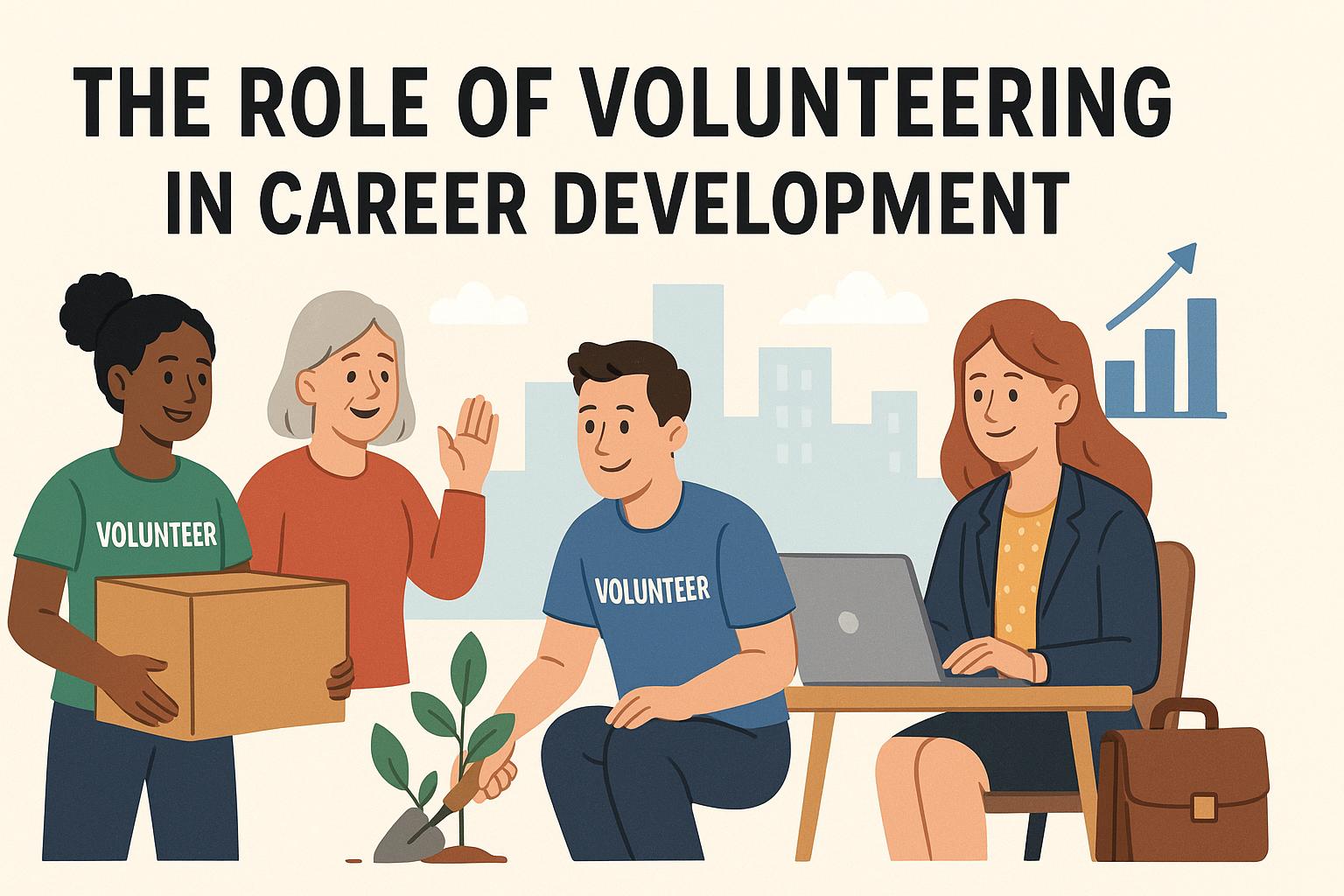
The Importance of Volunteering in Career Development
Volunteering plays a significant role in career development and can offer numerous advantages for those seeking to enhance their professional lives. While often regarded as an act driven purely by altruism, volunteering can also bring substantial benefits that significantly contribute to one’s career growth. Engaging in volunteer work allows individuals to step outside their usual environments and gain experiences that might otherwise be inaccessible through traditional career paths.
Skill Enhancement
Participating in volunteer activities provides individuals with countless opportunities to develop and refine a diverse set of skills. In today’s competitive job market, possessing a diverse skill set can set candidates apart, making volunteering an invaluable method for skill development. For example, many volunteer roles require strong communication abilities. Whether writing newsletters for a nonprofit organization or speaking to potential donors, these activities help improve verbal and written communication skills.
Additionally, many volunteer roles call for effective teamwork. Collaborating with a group to achieve a common goal, such as organizing a charity event or coordinating resources for a community program, provides practical experience in working as part of a team. These experiences are highly transferrable to professional environments where teamwork is often crucial to success.
Moreover, volunteers frequently encounter scenarios that require adept project management. Organizing an event involves tasks such as budgeting, scheduling, and delegating responsibilities—all essential aspects of project management. Through volunteering, individuals hone their ability to manage complex tasks effectively, preparing them for positions that require strong organizational skills.
Network Expansion
Volunteering offers numerous opportunities to meet and connect with people from diverse backgrounds, ranging from fellow volunteers and organizational leaders to community members and industry professionals. Building a strong professional network is a crucial component of career development as it can lead to new job opportunities and open doors to unforeseen career paths.
When volunteering, individuals often work alongside others who share similar interests or passions. These shared interests can form the basis of lasting connections and relationships, which may prove invaluable in the future. Networking through volunteering allows individuals to establish professional relationships grounded in common goals and mutual respect.
Beyond potential job opportunities, these connections can also facilitate career advancement in other ways. Mentors met through volunteering can offer guidance, provide feedback, and share their personal experiences to help individuals navigate their career paths. Exploring different industries and roles through volunteer work can introduce volunteers to professionals who may assist in transitioning to new fields.
Exploration of Career Interests
Volunteering serves as a platform for individuals to explore careers and identify their true professional interests without making the long-term commitment required by full-time positions. It allows people to test different roles and industries, offering valuable insights into what they truly enjoy and where their talents may lie.
For instance, someone interested in environmental conservation might volunteer for a local wildlife organization. This hands-on experience provides a clearer perspective on whether the field aligns with their career aspirations. Such experiences equip individuals with the knowledge needed to make informed decisions about their future career directions, reducing uncertainty and aligning their efforts with their passions.
Those looking to transition into a new field can benefit greatly from volunteering. This is especially true for career changers who may lack formal education or experience in their desired industry. Volunteering can provide a bridge to new opportunities, offering a firsthand understanding of the field’s demands and expectations.
Enhancing a Resume
Incorporating volunteer experience into a resume can significantly boost its appeal. Including these experiences showcases a range of skills, a commitment to making a positive impact, and a demonstration of initiative—qualities that employers often value. In an increasingly competitive job market, volunteer experience can serve as a powerful differentiator, setting applicants apart from others with similar qualifications.
Employers understand the value of volunteering in not only developing skills but also fostering personal growth. Volunteer experiences reflect a candidate’s willingness to contribute meaningfully to society and can signal to employers that the individual is well-rounded and possesses a broad worldview. Furthermore, volunteering highlights an individual’s ability to balance multiple commitments, an important trait in any professional setting.
Volunteering also provides opportunities to take on leadership roles, another attractive quality for employers. Leading projects, guiding teams, or managing events during volunteer work exemplifies leadership qualities that can greatly enhance a resume. This practical experience in leadership makes candidates more appealing, especially for roles that require leading teams or projects.
Conclusion
In conclusion, volunteering is an incredibly valuable tool for both personal and career development. It enhances skill acquisition by providing practical experiences that polish essential capabilities like communication, teamwork, and project management. It fosters network building by allowing connections with individuals who may provide future career opportunities, guidance, or support. Volunteering offers a platform to explore various career paths, enabling individuals to make informed decisions about their professional futures. Lastly, it adds depth to one’s professional profile by showcasing skills and attributes that distinguish candidates in the job market.
Integrating volunteer work into one’s career strategy not only facilitates significant personal and professional growth but also enriches the community, reflecting a balanced approach to career development. As such, individuals are encouraged to view volunteering as an integral component of their ongoing professional journey rather than merely an altruistic endeavor.
This article was last updated on: June 14, 2026