
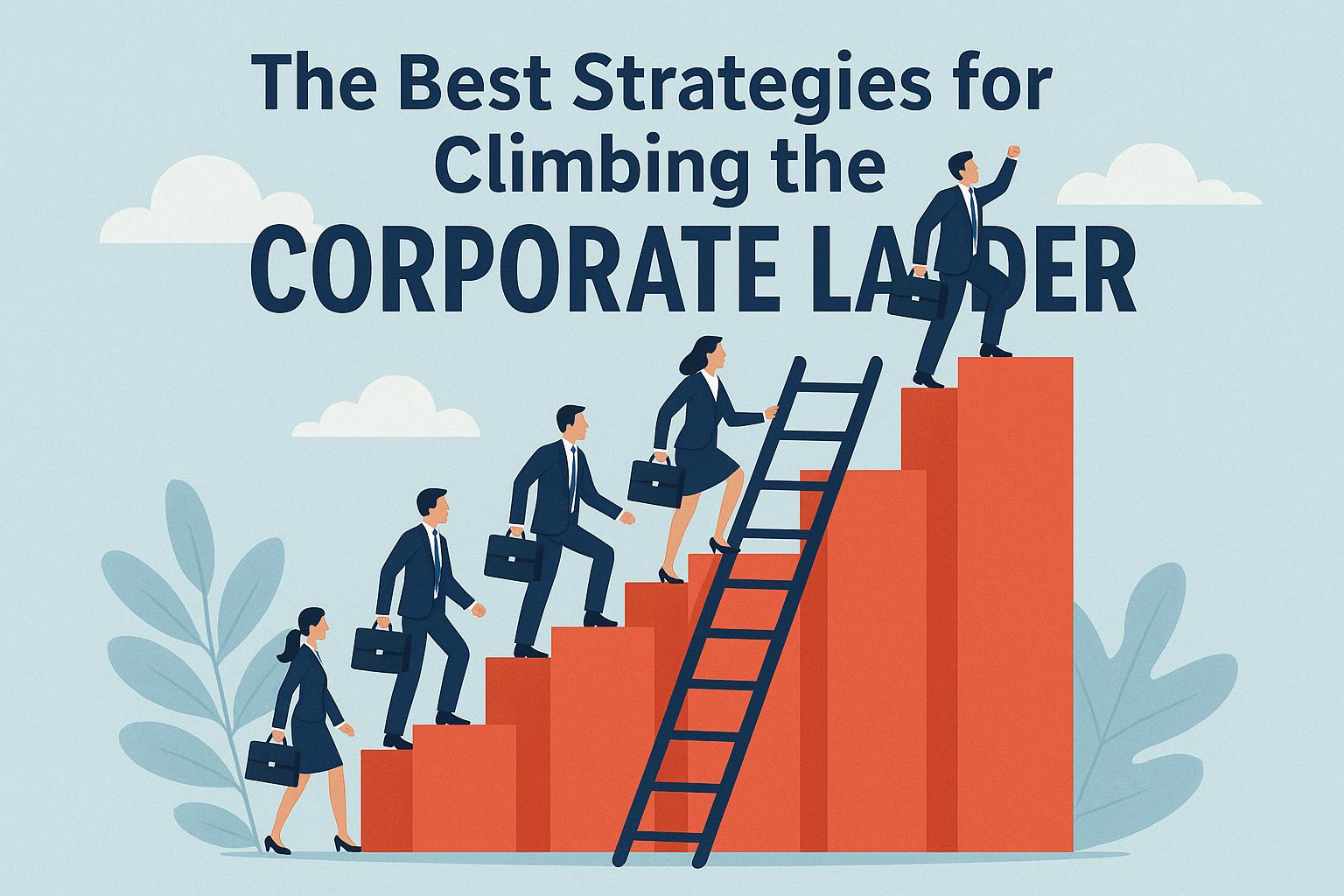
Understanding the Corporate Landscape
Navigating the corporate ladder requires a thorough understanding of the dynamics that drive modern businesses. This knowledge serves as an essential compass that helps individuals align their personal career ambitions with the overarching strategic objectives of their employer. For those at various stages of their career journey, from entry-level to mid-career positions, grasping the intricacies of organizational structure and company goals provides valuable insight.
Corporations operate within complex systems where internal and external factors continuously influence strategies and outcomes. These factors include market conditions, technological advancements, regulatory environments, and stakeholder expectations. To successfully navigate this landscape, individuals must pay attention to both macro and micro aspects of their organization’s environment.
Building a Strong Professional Network
One of the cornerstones of successful career advancement is developing a robust professional network. This network acts as both a resource and a support system throughout one’s professional journey. Building this network involves cultivating relationships with colleagues, mentors, and industry professionals. Networking goes beyond merely exchanging contact details; it is about forming meaningful connections that can provide support, advice, and opportunities at various stages of your career.
Networking occurs in multiple settings, such as industry conferences, company events, and even informal gatherings. To effectively network, it is vital to be genuine, show interest in others’ professional goals, and offer your insights or assistance when appropriate. These relationships are often reciprocal, providing long-term mutual benefits. In doing so, individuals enrich their professional lives and open up avenues for career growth and collaboration.
Demonstrating Leadership Qualities
Leadership is a highly prized attribute in corporate environments. Regardless of the role an individual currently holds, demonstrating leadership qualities can significantly set one apart from peers. Leadership transcends titles and can be exhibited at any level within an organization. Key components of effective leadership include taking initiative, showing responsibility, and having the ability to motivate and guide others.
Individuals can improve their leadership capabilities by engaging in development programs. These programs may be offered internally by the organization or externally through workshops and seminars. By investing in leadership development, professionals not only enhance their own growth but also contribute to creating vibrant and dynamic teams. As leadership qualities become more pronounced, so do career advancement opportunities, as organizations value individuals who can lead and influence others positively.
Enhancing Your Skill Set
Industries evolve at a rapid pace, driven by technological advancements, consumer preferences, and economic shifts. Consequently, acquiring new skills is imperative for career advancement. Identifying skills that are in demand within your industry—and acquiring them—positions you as a valuable asset to your organization. This proactive approach to skill enhancement ensures that you remain relevant and competitive in the job market.
Opportunities for continuous learning abound. Professionals can engage in seminars, online courses, or pursue certifications to augment their knowledge and expertise. Websites like Coursera and Udemy offer a variety of courses tailored to different professions, allowing for flexible learning schedules. Taking advantage of these resources not only broadens one’s skill set but also demonstrates a commitment to personal development and versatility—a trait highly valued by employers.
Navigating Office Politics Wisely
Understanding and skillfully navigating office politics is an often under-discussed aspect of corporate advancement. While it may have negative connotations, being politically savvy does not imply manipulation. Instead, it involves understanding the power dynamics and influence that play a role in decision-making processes within the organization.
Navigating office politics effectively requires a keen awareness of relationships and hierarchies within the workplace. It involves knowing when to voice opinions and when to influence outcomes quietly from behind the scenes. Effective management of interpersonal relationships and conflicts is crucial. Building alliances, fostering goodwill, and maintaining professionalism ensure that one is well-positioned to positively influence organizational processes and decisions.
The Role of Communication in Corporate Success
Effective communication is a foundational element of success within any corporate setting. It encompasses verbal, non-verbal, and written communication skills. Mastering these skills is crucial for clear and concise information exchange. Communication channels within an organization can include face-to-face meetings, emails, reports, and presentations—all of which require an ability to convey messages appropriately.
Proficiency in communication aids in building rapport with colleagues, facilitating teamwork, and driving collaborative projects forward. Regular feedback and open dialogues foster a transparent work environment, helping to streamline processes and resolve conflicts. Effective communicators also excel in active listening, an aspect of communication that involves understanding and acknowledging others’ perspectives. This skill not only enhances one’s interpersonal relationships but also contributes to a more cohesive and productive work atmosphere.
Conclusion
Climbing the corporate ladder is a multifaceted endeavor that involves strategic planning, continuous skill improvement, and effective relationship management. Advancing in one’s career requires effort and dedication across various domains, including leadership development, skill enhancement, and understanding the nuances of the office environment. By focusing on these areas, professionals can significantly enhance their prospects of advancing within their organizations while contributing to their workplace’s overall success. This multifaceted approach ensures that careers are aligned with both personal goals and the evolving landscape of modern businesses.
This article was last updated on: October 18, 2026