
Understanding Personal Branding
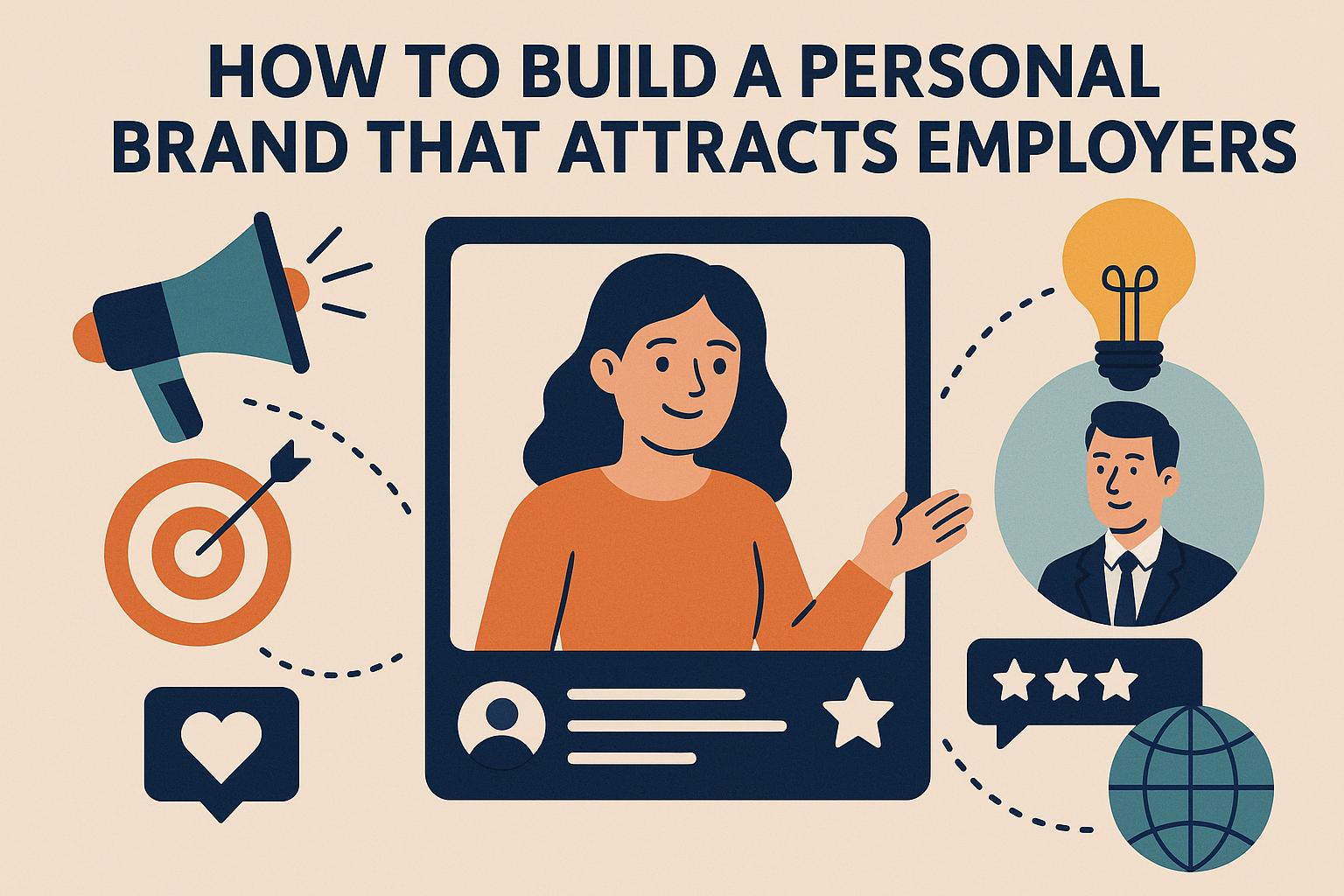
Building a personal brand that attracts employers involves crafting a unique professional identity that reflects your skills, values, and interests. A strong personal brand not only highlights your professional expertise but also sets you apart in a crowded job market. Let’s delve deeper into the components and strategies of effective personal branding.
Defining Your Brand
Creating a personal brand begins with self-reflection. To define your brand, start by considering your career goals and aspirations. What do you hope to achieve, and what roles or industries do you envision yourself working in? This introspection is crucial as it helps to identify your core strengths, experiences, and the qualities that differentiate you from others. Developing a clear understanding of your personal brand will guide how you present yourself to potential employers.
Determine Your Unique Value Proposition
At the heart of your personal brand is your unique value proposition. This is a succinct statement that encapsulates your skills, achievements, and the value you bring to an organization. Crafting this statement requires an analysis of your professional experiences, accomplishments, and the unique perspective you bring to your field. It should effectively communicate how you can solve problems or add value to a potential employer, setting you apart from others vying for the same roles.
Identify Your Target Audience
A crucial step in personal branding is identifying the employers and industries that align with your career goals. Engaging in research helps to understand the potential employers’ values, culture, and what they seek in candidates. This involves looking into the company’s mission statement, recent announcements, and employee reviews to get a comprehensive understanding of what drives them. Tailoring your brand to meet these expectations not only increases your attractiveness as a potential hire but also ensures that your personal values and professional goals align with the organizational culture.
Crafting Your Online Presence
In today’s digital landscape, an online presence is vital. Establishing a professional profile on platforms such as LinkedIn is essential, as it enables you to connect with industry professionals and display your accomplishments effectively. Consistency is key here. Ensure your profiles are up-to-date and harmonized across all platforms you engage on, reflecting your personal brand and professional journey. This helps to create a coherent and professional image for anyone reviewing your online presence.
Communicating Your Brand Effectively
Your capacity to communicate your personal brand can greatly influence how you are perceived by prospective employers. Clear communication helps in conveying your professional values and capabilities effectively.
Networking and Building Relationships
Networking serves as a cornerstone of personal branding. Actively seek opportunities to attend industry events and partake in professional gatherings. Engaging with peers and potential connections on social media also enhances your visibility. By participating in online professional groups and discussions, you not only increase your visibility but also position yourself as an expert in your domain. Demonstrating expertise and enthusiasm in your field can increase your credibility and attractiveness to potential employers.
Engaging Content Creation
Sharing content related to your expertise can effectively establish your position as a thought leader. Whether through blog posts, articles, or frequent social media updates, engaging with audiences allows you to disseminate your insights. Cultivating an audience can also generate valuable feedback and foster discussion, further enhancing your personal brand. By regularly contributing insightful content, you demonstrate your depth of knowledge and reinforce your professional standing.
Maintaining Consistency and Authenticity
Every aspect of your personal brand, from your resume to your social media profiles, needs to consistently communicate who you are and what you stand for. Authenticity is key—employers are more likely to respond positively to a brand that feels genuine and trustworthy. Authentic interactions foster better relationships and create long-lasting impressions, paving the way for success in the job market.
Seeking Feedback and Improving
Feedback is invaluable for personal growth. Seek honest feedback from colleagues, mentors, or industry peers regularly. Constructive criticism can offer insights into areas that require improvement, and applying this feedback allows you to continuously enhance your professional persona. Being open to feedback reflects a willingness to grow and adapt, attributes that employers find attractive.
Adapting Your Brand for Career Growth
Personal branding is an ongoing process. As your career progresses and you acquire new experiences and skills, it is essential that your brand evolves accordingly.
Continuing Education and Skill Development
Keeping abreast with industry trends and continually developing new skills significantly enhances your personal brand. Pursuing further education, obtaining certifications, or attending seminars helps keep your knowledge current and relevant. This continuous improvement not only adds to your repertoire of skills but also shows potential employers your commitment to professional growth.
Adapting to Market Changes
The job market is constantly changing, and your personal brand must adapt to these shifts. Regularly revisiting and adjusting your strategies ensures you remain competitive and relevant in your industry. By analyzing market trends and understanding changing demands, you can modify your approach to ensure your brand represents who you are and what you offer.
A strong personal brand not only reflects your professional identity but also attracts the right employers, setting the stage for personal and professional growth. It provides a structured approach to career development, steering you toward opportunities that align with your aspirations and core values. For further insights on personal branding strategies, consider visiting professional development sites or reaching out to experts in the field.
This article was last updated on: June 7, 2026