
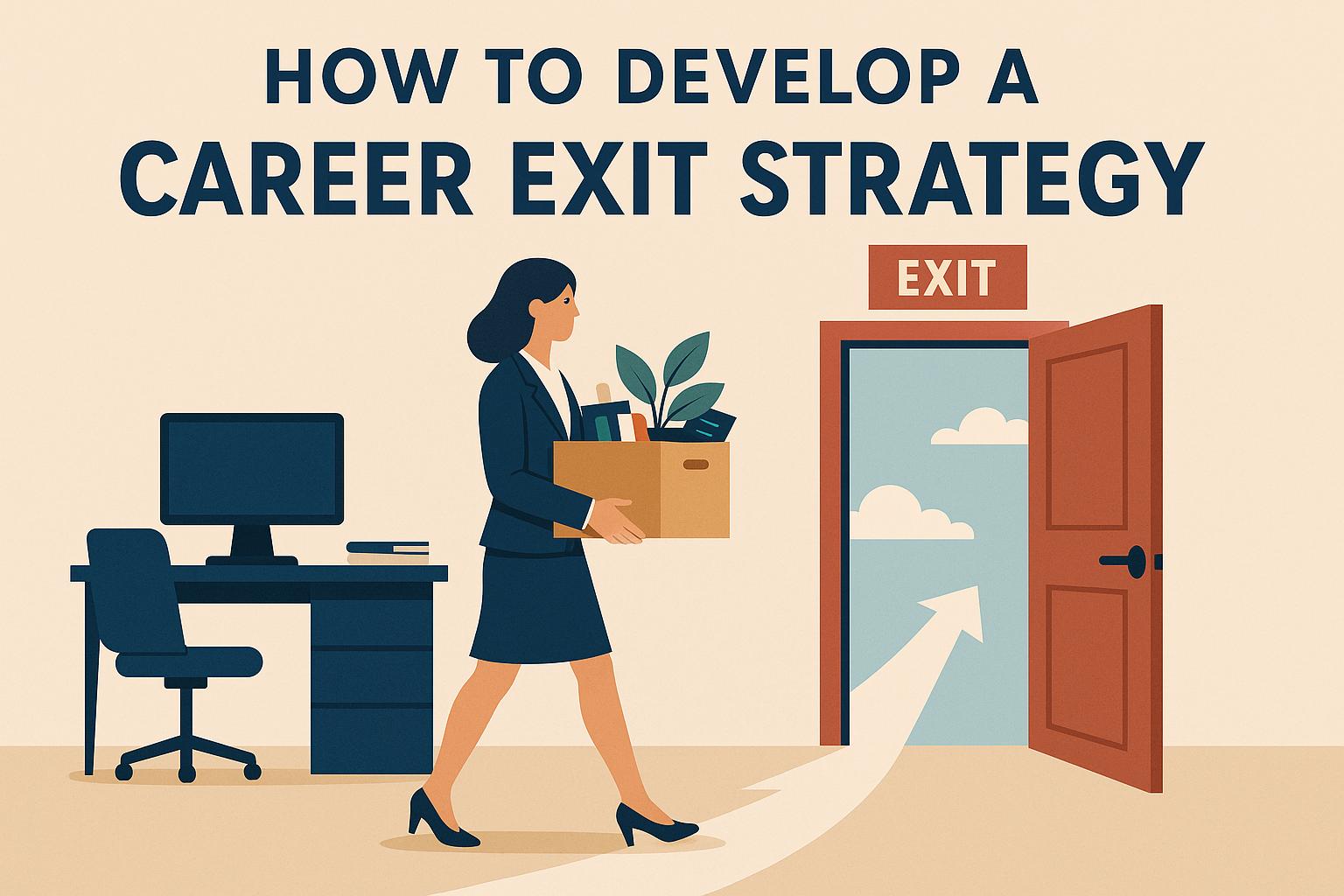
Understanding the Importance of a Career Exit Strategy
Crafting an effective career exit strategy is essential for ensuring a smooth transition from your current role to your next pursuit. It involves careful planning, reflection, and strategic action. Whether you are moving to a new industry, starting your own business, or retiring, a well-thought-out exit plan can minimize risks and maximize opportunities.
Assess Your Current Situation
Before taking any major steps towards exiting your current career, it’s important to conduct a thorough assessment of your current work environment and overall career standing. Begin by evaluating your job satisfaction levels; consider whether your current role provides you with a sense of personal fulfillment, adequate financial growth, and work-life balance. Understanding these elements can help clarify the reasons behind your decision to leave. Furthermore, reflect on the skills you have acquired in your current position. This self-evaluation is crucial as it highlights the qualifications and experiences you may bring into your next endeavor, as well as areas where improvement or additional training is needed.
Identify Your Future Goals
Once you have a clear understanding of why you want to exit, the next step is to identify your future career goals. You must define what you seek in your new career or personal venture. Whether you are looking to shift to a different industry or focus more on personal projects, having well-defined goals will guide your subsequent actions. This involves researching the nuances of your prospective career path, understanding the requirements, and considering any additional qualifications or certifications you may need. These efforts ensure your goals are realistic and achievable, equipping you with the necessary foresight to plan effectively.
Plan Financially
Financial planning is a critical component of any successful exit strategy. It is advisable to create a budget that can comfortably cover your transition period and account for potential income gaps. Begin by assessing your current savings—are they sufficient to support you through this period of transition? It’s also beneficial to consider building an emergency fund, intended to cover unforeseen expenses during the changeover. Additionally, explore potential alternative income streams that could provide financial support as you embark on your new journey. These could range from part-time work in your new field to freelance opportunities using skills from your current profession. Appropriately managing your finances reduces stress, allowing you to focus on achieving your career goals.
Develop an Action Plan
With your goals clearly outlined and finances in order, the next step involves developing a comprehensive action plan. This plan should be a roadmap of the steps necessary to reach your career objectives. For instance, if transitioning to a new field requires additional training, specify the courses or certifications needed, as well as timelines for achieving them. Similarly, if you aim to start a business, outline each phase of your startup process. An action plan provides structure, ensuring that you remain organized and accountable throughout your transition. Regularly reviewing and updating this plan is instrumental in maintaining momentum and making steady progress.
Network Strategically
Building and nurturing a professional network is crucial when facilitating a career exit. Engage with industry experts by attending relevant events, seminars, or workshops, and actively participate in professional online communities. These interactions can offer invaluable insights, mentorship, and open up new opportunities in your targeted field. Networking strategically also helps maintain relationships with former colleagues; such relationships can potentially lead to future collaborations, partnerships, or referrals. Emphasizing the quality of relationships over quantity ensures that your network is robust and beneficial in supporting your career transition.
Consider Professional Help
Occasionally, seeking professional assistance can make a significant difference in navigating your career exit strategy. Career coaches or transition specialists are equipped to offer personalized guidance, ensuring that you proceed smoothly through the exit process. They can assist in several areas, such as updating your resume, enhancing interview skills, and offering strategic planning tailored to your needs. Their expertise ensures that you are well-prepared for your next venture, significantly increasing the likelihood of a successful transition. Professional help is an investment in your future, offering the clarity and support necessary to flourish in your new career.
Implement and Monitor Your Progress
Once your exit strategy is in motion, it is essential to implement and regularly monitor your progress. Evaluate each step of your plan, considering what is working effectively and where adjustments might be needed. Being flexible and responsive to changes ensures that you stay on the right track toward achieving your career goals. Consistent monitoring allows for early identification of any issues, enabling timely interventions and ensuring that each step you take is moving you closer to your desired outcome. Regularly reflecting on your progress can enhance your ability to adapt and achieve long-term career satisfaction.
In conclusion, developing a comprehensive career exit strategy requires careful consideration, detailed planning, and a proactive approach. By thoroughly assessing the current situation, identifying clear future goals, ensuring financial readiness, developing an actionable plan, networking strategically, and, when necessary, seeking professional guidance, individuals can transition smoothly into the next phase of their career journey. Implementing these steps not only minimizes risks but also maximizes opportunities for growth and fulfillment in future endeavors. As a final step, exploring external resources can provide further insights and advice on career development, enhancing your preparedness for future challenges and opportunities.
This article was last updated on: June 25, 2026