
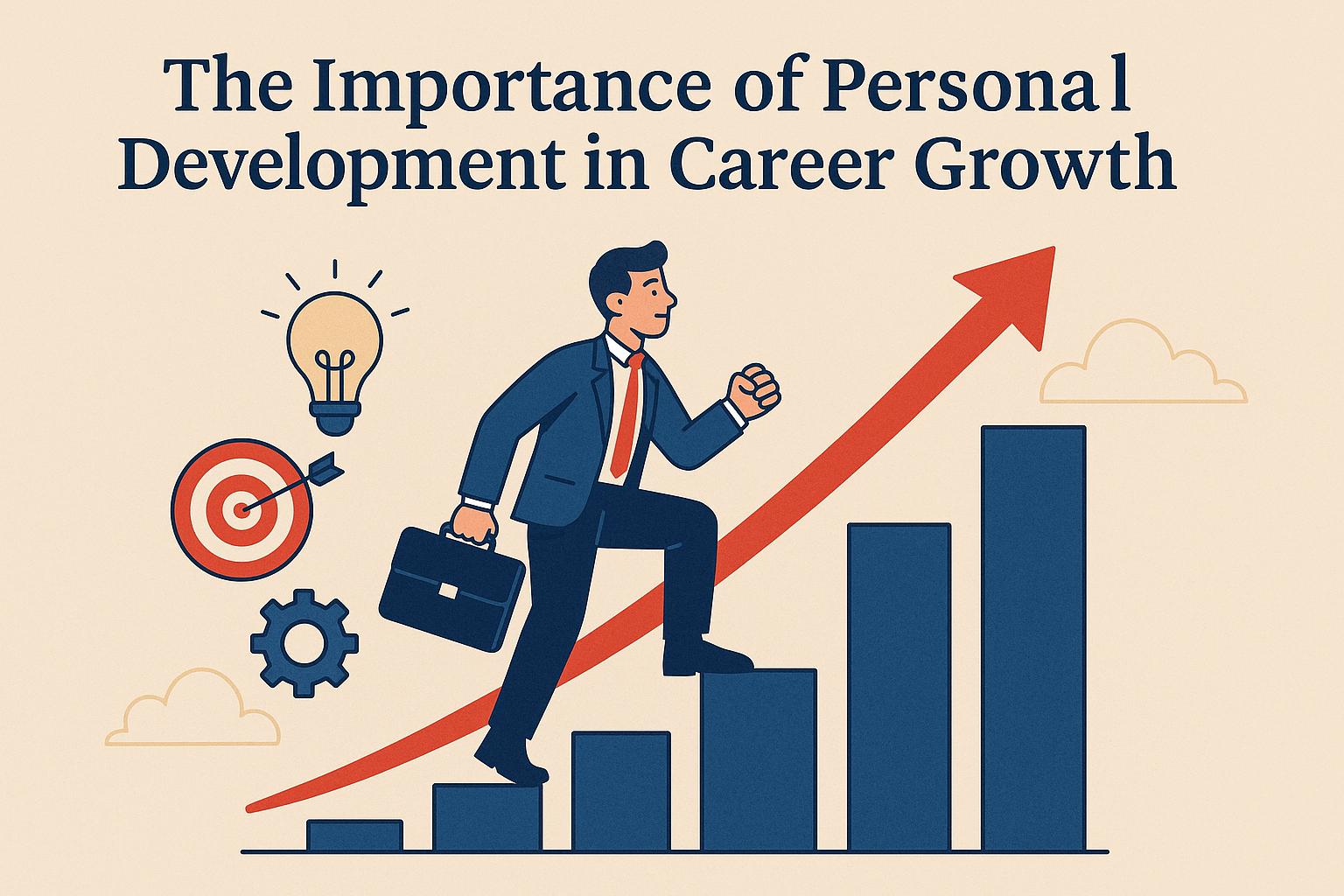
The Role of Personal Development in Career Growth
The concept of personal development is pivotal in career growth, yet it is often underestimated. Personal development involves enhancing one’s skills, knowledge, and experiences to improve capabilities and achieve both personal and professional goals. This continuous process is essential for adapting to changes in the job market and maintaining competitiveness.
Understanding Personal Development
Personal development encompasses various strategies and activities aimed at improving self-awareness, developing talents, and fulfilling potential. These strategies might include pursuing new educational opportunities, attending workshops, or learning new skills relevant to one’s field. The idea is to continuously evolve to meet the demands of an ever-changing work environment. By engaging in personal development, individuals prepare themselves not only for current roles but also for future opportunities that may arise in their careers.
Skills Enhancement
One of the primary aspects of personal development is skills enhancement. In the fast-paced modern workplace, the ability to learn and adapt new skills is critical. This might include technical skills, such as proficiency in software applications, or soft skills like communication and leadership. Employers typically seek individuals who demonstrate a commitment to lifelong learning, which can be a significant differentiator in career advancement. Enhancing skills not only increases an individual’s value to their employer but also enhances their personal sense of achievement and efficacy.
Technical Skills
Technical skills refer to the specialized knowledge and expertise required to perform specific tasks or use certain tools. In many industries, keeping on top of technological advancements is crucial. For example, knowledge of the newest programming languages or the latest design software can be critical in fields such as computer science or graphic design. Continuous learning through online courses, certifications, and hands-on projects can help individuals maintain and enhance these essential skills.
Soft Skills
Beyond technical abilities, soft skills are equally important in personal and career development. Skills such as effective communication, critical thinking, teamwork, and problem-solving are highly valued across all professions. These skills are often what distinguish employees who are adept at not only performing their roles but also excelling in team environments and leadership positions. Enhancing soft skills can be achieved through self-reflection, feedback from colleagues, and dedicated workshops or seminars.
Improving Adaptability
Adapting to new environments and technologies is a common requirement in most professions today. Personal development helps individuals become more flexible and open to change. By fostering a mindset of adaptability, professionals can navigate challenges more effectively and seize opportunities that arise in evolving markets.
The Importance of a Growth Mindset
At the heart of adaptability is cultivating a growth mindset, a concept popularized by psychologist Carol Dweck. This mindset encourages individuals to view challenges as opportunities to grow, rather than obstacles. Those with a growth mindset are generally more resilient in the face of change and are more willing to undertake personal development activities, as they recognize the long-term benefits of continual learning and adaptation.
Embracing Change
In today’s global economy, industries can evolve rapidly due to technological advances, changing regulations, and shifting market demands. Individuals who are resistant to change may find themselves left behind. Embracing change through personal development allows professionals not only to keep pace with these shifts but also to position themselves as innovators within their fields, thereby enhancing their career prospects.
Building Professional Networks
Developing a robust professional network is another vital element of career growth. Through networking, individuals can access new opportunities, gain valuable information about industry trends, and connect with potential mentors. Personal development activities such as attending conferences and joining professional associations can significantly expand one’s network and open doors to career progression.
The Role of Mentorship and Collaboration
Networking often leads to valuable mentor-mentee relationships. Mentors can provide insight based on their experiences, offering guidance and advice that can accelerate personal and career development. Collaborative relationships fostered through networking can promote knowledge sharing and innovation, benefitting all parties involved.
Expanding Industry Knowledge
Networking helps individuals stay informed about the latest trends and advancements in their industry. Engaging with a diverse group of professionals can lead to new ideas and perspectives, which can be particularly beneficial when considering career changes or advancement opportunities. Attending industry-related events and participating in online forums or professional groups are excellent strategies for expanding professional networks.
Boosting Confidence and Motivation
Engaging in personal development can significantly enhance confidence and motivation levels. As individuals accomplish their development goals, they often experience a boost in self-esteem, which in turn fosters greater motivation to pursue further career advancements. A confident attitude can positively influence how professionals are perceived in the workplace, potentially leading to increased responsibilities and promotions.
Building Self-Esteem Through Achievement
Achieving personal development goals, whether through acquiring new skills, completing a project, or reaching a professional milestone, contributes to a sense of personal accomplishment and builds self-esteem. High self-esteem and confidence can lead to greater job satisfaction, better performance, and a willingness to take on new challenges that can further one’s career.
Maintaining Motivation
Motivation can sometimes wane in the face of routine work tasks or when progress seems slow. However, personal development activities can reignite motivation by providing fresh challenges and setting new goals to strive for. Motivated individuals often find greater enjoyment in their work, resulting in increased productivity and career satisfaction.
Setting and Achieving Goals
Effective personal development involves setting realistic and measurable goals. Goals provide direction and a sense of purpose, guiding individuals in their career paths and allowing for targeted skill acquisition. By setting clear objectives and working towards them, individuals can measure their progress and stay motivated in their personal development journey. Achieving these goals reinforces a commitment to growth and gives individuals a structured path to follow for further career advancement.
Conclusion
In conclusion, personal development is a key factor in career growth. By continually enhancing their skills, expanding their professional networks, and adapting to changes, individuals can ensure they remain competitive in the job market. Employers value proactive individuals who invest in their development as it often leads to higher productivity and a more dynamic workplace. By pursuing personal development, professionals not only advance their own careers but also contribute positively to their organizations and industries at large. For more insights on personal development strategies, consider exploring resources such as Coursera or LinkedIn.
This article was last updated on: February 22, 2026