
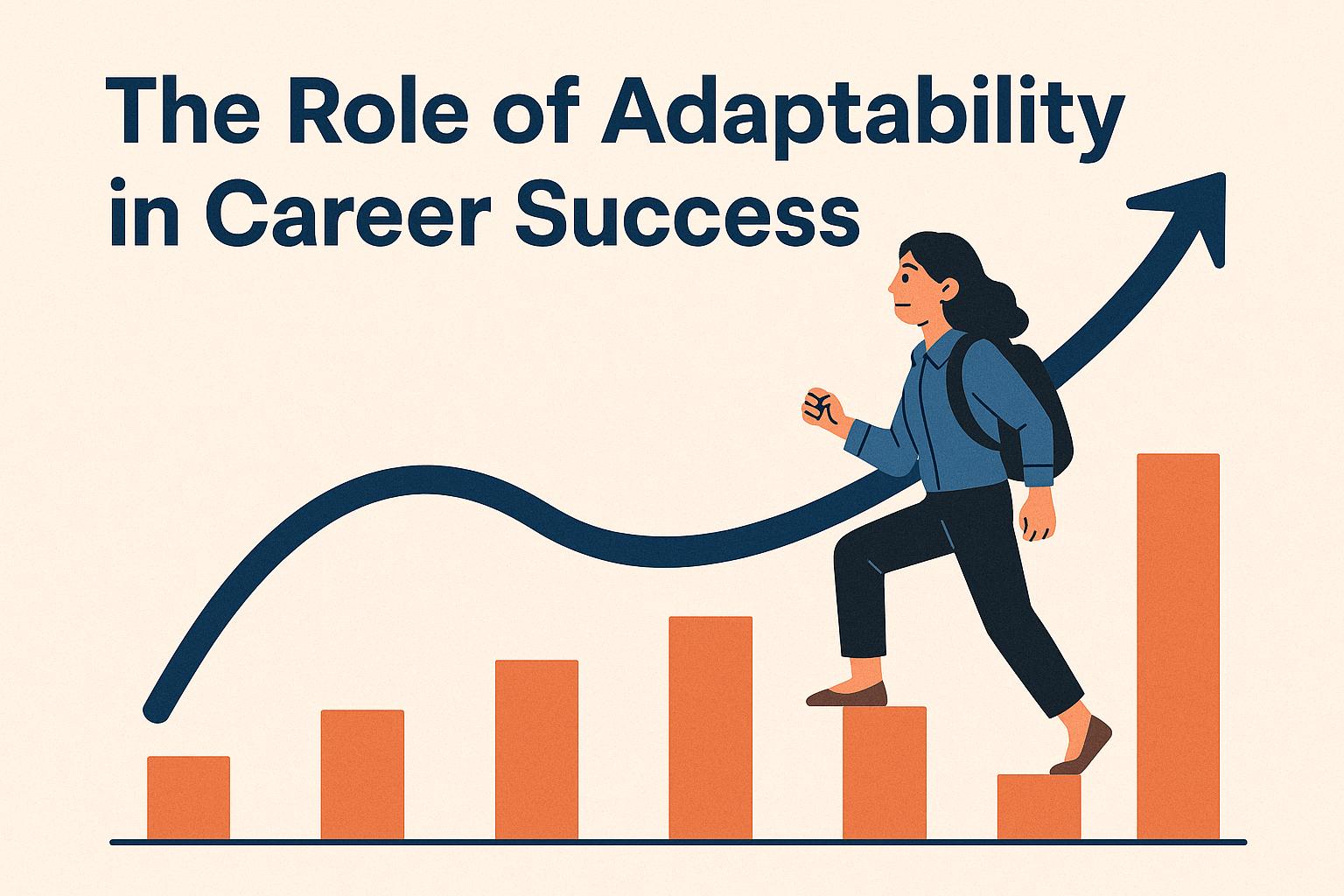
The Growing Importance of Adaptability in the Workplace
In today’s rapidly evolving job market, adaptability has become a key driver of career success. As industries undergo significant transformations due to technological advancements, economic shifts, and changes in consumer preferences, employees must be able to adjust to new conditions and challenges readily. This article explores the critical role that adaptability plays in career success and why it is more important than ever for professionals across various sectors.
The Dynamics of Modern Work Environments
The modern workplace is characterized by constant change. New software solutions, evolving business models, and shifts in work dynamics demand employees to stay a step ahead. Adaptable employees can seamlessly integrate new tools and methods into their workflows, thereby maintaining productivity and efficiency. The ability to embrace change without resistance can be a significant asset in ensuring sustained career growth.
Technological Change
With the advent of artificial intelligence and automation, many roles are being redefined. Professionals must not only acquire new technical skills but also be open to shifting roles and responsibilities. According to a report by the World Economic Forum, over 50% of all employees will need reskilling by 2025, underscoring the importance of adaptability in keeping up with technological progress. For more information on how technology is reshaping the job market, you can visit this resource.
New technologies routinely emerge, disrupting traditional industries and leading to the creation of new markets and roles. Employees who remain adaptable are positioned to transition into these new roles as businesses innovate. By embracing lifelong learning and keeping pace with technological trends, they ensure they remain relevant and valuable within their organizations.
Moreover, adaptability in technological change requires more than just learning new software or tools. It requires understanding how these changes affect industry dynamics, customer interactions, and the overall strategic direction of organizations. Employees who can foresee these changes and prepare accordingly will be positioned as leaders and innovators.
Globalization and Cultural Change
As companies continue to expand globally, employees are expected to work in diverse multicultural teams. Adaptability allows individuals to communicate effectively across cultural boundaries and contribute to cross-border collaborations. By being adaptable, employees are better positioned to understand and bridge cultural differences, which is crucial for the success of global teams.
In global teams, cultural adaptability is vital for understanding diverse client needs and collaboration styles. This skill fosters an environment of mutual respect and recognition of different viewpoints, which is critical for innovation and problem-solving in a globalized world. Employees who navigate cultural diversity seamlessly boost their organization’s competitiveness in the international market.
The virtual work environment further enhances the need for cultural adaptability. With remote work becoming a norm, adaptability enables professionals to work effectively across different time zones, languages, and business practices, enhancing both personal and organizational success in a global economy.
The Psychological Aspect of Adaptability
Beyond technical skills, adaptability involves a mindset that embraces continuous learning and resilience. Those who are adaptable are more likely to approach challenges with a problem-solving attitude, viewing setbacks as opportunities for growth. This psychological flexibility is essential not only for personal development but also for navigating career transitions smoothly.
Resilience, a component of adaptability, allows individuals to recover quickly from difficulties and stay focused on their goals. This mental toughness is essential amid disruptions and uncertainties in the workplace. Employees who maintain composure and creativity when faced with challenges often lead the way during periods of change, inspiring others and driving progress.
Self-awareness and emotional intelligence also play a role in psychological adaptability. Self-aware employees can identify their triggers and biases, managing their responses to difficult situations more effectively. Emotional intelligence facilitates interpersonal interactions, enhancing teamwork and leadership capabilities.
Building Adaptability as a Skill
Adaptability can be developed through conscious effort and practice. Professionals can enhance their adaptability by seeking diverse experiences, engaging in lifelong learning, and actively seeking feedback. Embracing a growth mindset where challenges are seen as learning opportunities can significantly improve one’s capacity to adapt effectively.
Seeking varied roles and projects exposes individuals to different perspectives and problem-solving approaches. Rotational programs or cross-functional teams provide such opportunities, broadening employees’ skill sets and adaptability. Participating in workshops and training further develops their ability to adjust to new roles and environments.
Actively seeking feedback from peers and supervisors enhances adaptability by highlighting areas for improvement and encouraging open-mindedness. Constructive criticism, accepted positively, fosters growth and increases the ability to adapt to future challenges.
Furthermore, organizations can foster adaptability by creating environments that encourage innovation and flexibility. Employers who promote a culture of inclusivity, learning, and open communication empower their workforce to remain adaptable in the face of change.
Organizations should support adaptability through initiatives such as mentoring programs and continuous learning opportunities. Providing resources and support for skill development enables employees to take ownership of their growth, aligning personal objectives with organizational goals.
In conclusion, adaptability is a critical skill that influences career success in a rapidly changing world. As industries and job roles continue to evolve, professionals equipped with the ability to adapt will not only thrive but also become valuable assets to their organizations. For more insights into building adaptability in your career, you may find this article on adaptability strategies helpful.
This article was last updated on: May 17, 2026