
The Role of Goal Setting in Career Advancement
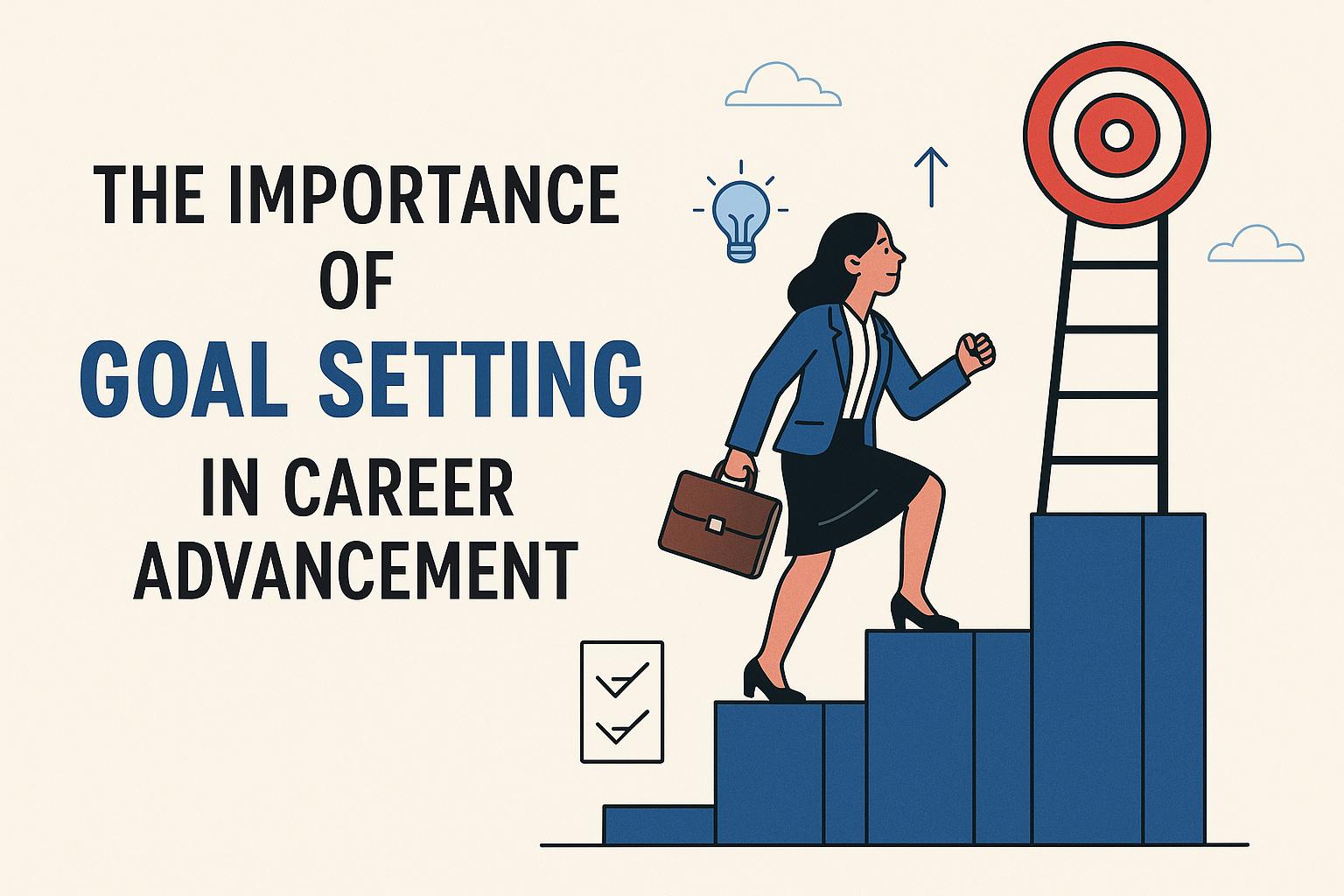
Goal setting is a critical component in career advancement, serving as a roadmap that guides professionals toward their desired career objectives. Establishing clear and realistic goals can significantly enhance one’s ability to advance in their career, ensuring that efforts are both purposeful and directed. Understanding the importance of goal setting is essential for anyone seeking to succeed professionally.
The Science Behind Goal Setting
Research indicates that goal setting can have a profound impact on performance and motivation. According to the Journal of Personality and Social Psychology, setting specific and challenging goals can lead to higher performance compared to easy or do-your-best goals. Goals provide targets that help individuals focus their efforts and allocate resources more effectively.
Clarity and Focus
One key benefit of goal setting is the clarity it provides. Defining goals clearly allows individuals to prioritize their tasks, ensuring that they allocate their time and resources efficiently toward achieving them. A well-crafted career plan built around specific goals helps in maintaining focus amid potential distractions.
Measuring Progress
Setting goals also provides a benchmark for measuring progress. By breaking down larger objectives into smaller, manageable tasks, individuals can track their progress and make necessary adjustments to stay on course. This helps in identifying areas of improvement and recognizing achievements along the way, which is essential for maintaining motivation.
Types of Career Goals
Career goals generally fall into two categories: short-term and long-term goals. Both types are critical in paving the path for a successful career trajectory.
Short-Term Goals
Short-term goals are objectives that can be achieved in the near future, typically within a year. These goals are often stepping stones that lead to long-term career objectives. For instance, acquiring a new skill or completing a specific project can be considered short-term goals. They are essential in creating immediate momentum in career development, allowing for quick wins that boost confidence and drive further efforts.
Long-Term Goals
Long-term goals are broader in scope and often take years to achieve. They align with an individual’s overall career vision, such as achieving a certain position or gaining expertise in a particular field. Long-term goals require sustained effort and perseverance, providing a sense of direction and purpose over an extended period. These objectives often encompass complex milestones that necessitate strategic planning and adaptability as circumstances evolve.
Strategies for Effective Goal Setting
For goal setting to truly aid in career advancement, specific strategies should be employed. These strategies serve as a guide for establishing and reaching both short-term and long-term aspirations.
Setting SMART Goals
Many professionals use the SMART criteria to ensure their goals are effective. SMART stands for Specific, Measurable, Achievable, Relevant, and Time-bound. Utilizing this framework helps in the formulation of well-defined goals that are more likely to be achieved. This approach keeps individuals accountable and ensures that progress can be tracked and evaluated over time.
Seeking Feedback
Regular feedback from peers, supervisors, or mentors is invaluable when setting and pursuing career goals. Constructive feedback can provide insights into one’s progress and suggest areas for improvement, ensuring that goals remain aligned with professional expectations and industry standards. Engaging in open discussions regarding strengths and weaknesses can facilitate personal development and refine goal-setting processes.
Adapting to Change
In today’s rapidly changing job market, adaptability is key. As such, staying flexible with one’s goals is crucial. The external environment can shift unexpectedly, necessitating revisions in career objectives. Being open to change does not mean abandoning goals; instead, it’s about adjusting them to fit new circumstances. A flexible mindset enables individuals to harness unforeseen opportunities that align with their broader career vision.
Building a Support Network
Having a strong support network can significantly enhance the goal-setting process. Building relationships with mentors, colleagues, and industry professionals can provide valuable guidance and encouragement. This network can act as a sounding board for ideas and offer different perspectives on career-related decisions and strategies.
Conclusion
Goal setting is a foundational practice in career advancement, providing the direction and motivation necessary to reach professional milestones. By implementing structured goal-setting strategies, individuals can effectively chart a course for their career journey, ensuring that each step taken is a step toward achieving ultimate career success. It’s about creating a roadmap that is dynamic and evolves over time, allowing for growth, learning, and adaptation in an ever-changing professional landscape.
Ultimately, goal setting helps bridge the gap between where you are and where you want to be, providing the focus and enthusiasm needed to achieve your career objectives. Structured, purposeful goals keep you on track, helping navigate challenges and seize opportunities along the way. In essence, they transform dreams into actionable steps, fostering a proactive approach to professional development.
This article was last updated on: August 25, 2026