
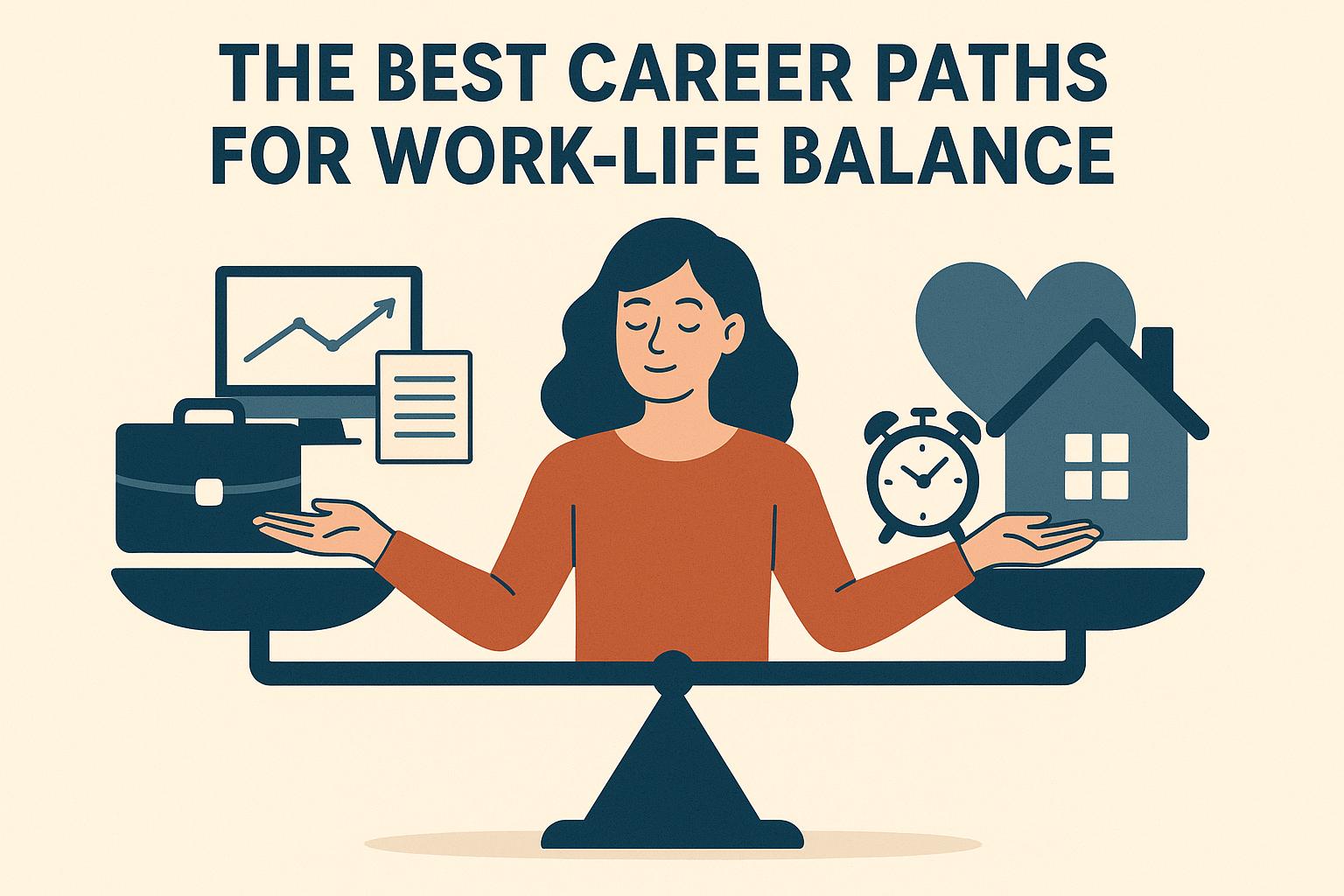
Understanding Work-Life Balance
A balanced integration of work and personal life plays a crucial role in enhancing overall well-being and job satisfaction. As awareness around this topic grows, more people are eager to pursue careers offering stability, flexibility, and a clear demarcation between professional and personal domains. This exploration examines several career paths that naturally lend themselves to achieving these objectives.
Information Technology
The information technology (IT) industry presents numerous chances for establishing a healthy work-life balance. It is a field characterized by a wide array of roles, like software developers and network administrators, which frequently allow for remote work and flexible hours. Positions such as network architects, business analysts, and cloud engineers are predisposed to remote operations, thereby providing professionals with the capacity to balance their work duties with personal pursuits. The nature of IT projects often allows personnel to set realistic deadlines, thus mitigating stress commonly associated with more rigid job structures.
Moreover, many companies within this sector recognize the importance of sustainable work-life dynamics and have instituted policies to support this. Performance often takes precedence over time spent in a traditional office setting. By placing emphasis on results rather than presence, IT organizations encourage an environment where professionals can manage their responsibilities efficiently while accommodating personal needs.
Healthcare
While many roles in healthcare are known for demanding work schedules, certain positions within the sector provide improved balance between professional and personal commitments. For instance, careers such as pharmacists, dental hygienists, and occupational therapists frequently involve more consistent hours compared to those of emergency medical personnel or surgical teams. Such positions may allow for arrangements like part-time work or adaptive schedules, enabling professionals to maintain an equilibrium between home and work life.
It’s important to understand the variability within healthcare job roles. For example, some registered nurses and medical technologists have schedules that can be more predictable depending upon their workplace setting, be it in educational institutions, corporate environments, or private practices. Although the sector remains challenging, specific roles provide avenues for aligning personal schedules with professional aspirations.
Education and Academia
The education sector is another field where individuals might encounter supportive conditions for work-life balance. Teaching roles—encompassing grade school teachers and university lecturers—typically offer an attractive schedule aligned with the academic calendar. This schedule guarantees extended breaks, reductions in summer responsibilities, and holidays that sychronize with family activities. While full-time tenure track positions offer distinct advantages, part-time or adjunct faculty roles can add a layer of flexibility, enabling individuals to meet personal demands alongside professional ones.
Additionally, academic institutions boast a myriad of administrative positions and support roles that often entail predictable hours and the possibility of remote or hybrid work setups. Furthermore, educational sectors tend to promote continuous professional development, ensuring that educators and staff remain fulfilled and engaged in their respective disciplines.
Public Sector Jobs
Employment within the public sector is frequently associated with stable hours and benefits, both of which support a healthy work-life balance. Government positions typically enforce the structured 9-to-5 workday, clearly delineating the boundary between work commitments and personal life. This structure makes these roles particularly attractive to individuals who prioritize work stability combined with predictability.
Roles within city planning, public administration, and library management, for instance, often include opportunities for career advancement within a framework conducive to balance. This environment helps employees prioritize personal time alongside career development. Furthermore, government jobs generally offer comprehensive benefits, aiding employees in achieving their wellness and retirement goals.
Strategies for Achieving Work-Life Balance
Regardless of the chosen career path, individuals can take proactive steps to enhance their work-life balance. Establishing clear boundaries between work and private life is essential. Such boundaries might involve setting designated work hours, especially important in roles that offer remote work capabilities. Time management plays a critical role in prioritizing essential tasks and delegating lesser priorities.
Carving out time for relaxation and pursuing hobbies or other interests outside of work is crucial for mental and emotional health. Participating in sports, engaging in creative endeavors, or spending quality time with family and friends can foster a balanced lifestyle. Engaging with employers to establish clear expectations regarding workload and availability is another beneficial strategy for maintaining balance. As remote work becomes increasingly prevalent, open communication about expectations around availability is vital.
Encouraging a culture within the workplace that values results over strict clock-watching can help professionals feel empowered to achieve personal and professional goals simultaneously. Negotiations for flexible hours or compressed work weeks, where feasible, demonstrate an individual’s commitment to fulfilling work obligations while valuing personal time.
Further Considerations
When contemplating career opportunities, conducting thorough research into specific organizations rather than solely relying on industry norms is vital. Workplace culture, policies regarding remote or flexible work arrangements, and task delineation expectations can vary significantly even among fields reputed for favorable work-life balance conditions. Individuals exploring new roles should engage with current employees or leverage platforms showcasing company reviews to gain insights into employee satisfaction regarding work-life balance.
Additionally, maintaining relevance in an ever-evolving workplace requires consistent professional growth. Continued education, attending workshops, or engaging with mentor programs can ensure that professionals remain satisfied and successful in their chosen fields. Ultimately, by selecting an appropriate career path paired with strategic personal planning, individuals can sustain a work-life balance aligning with both their personal aspirations and professional goals.
This article was last updated on: February 8, 2026