
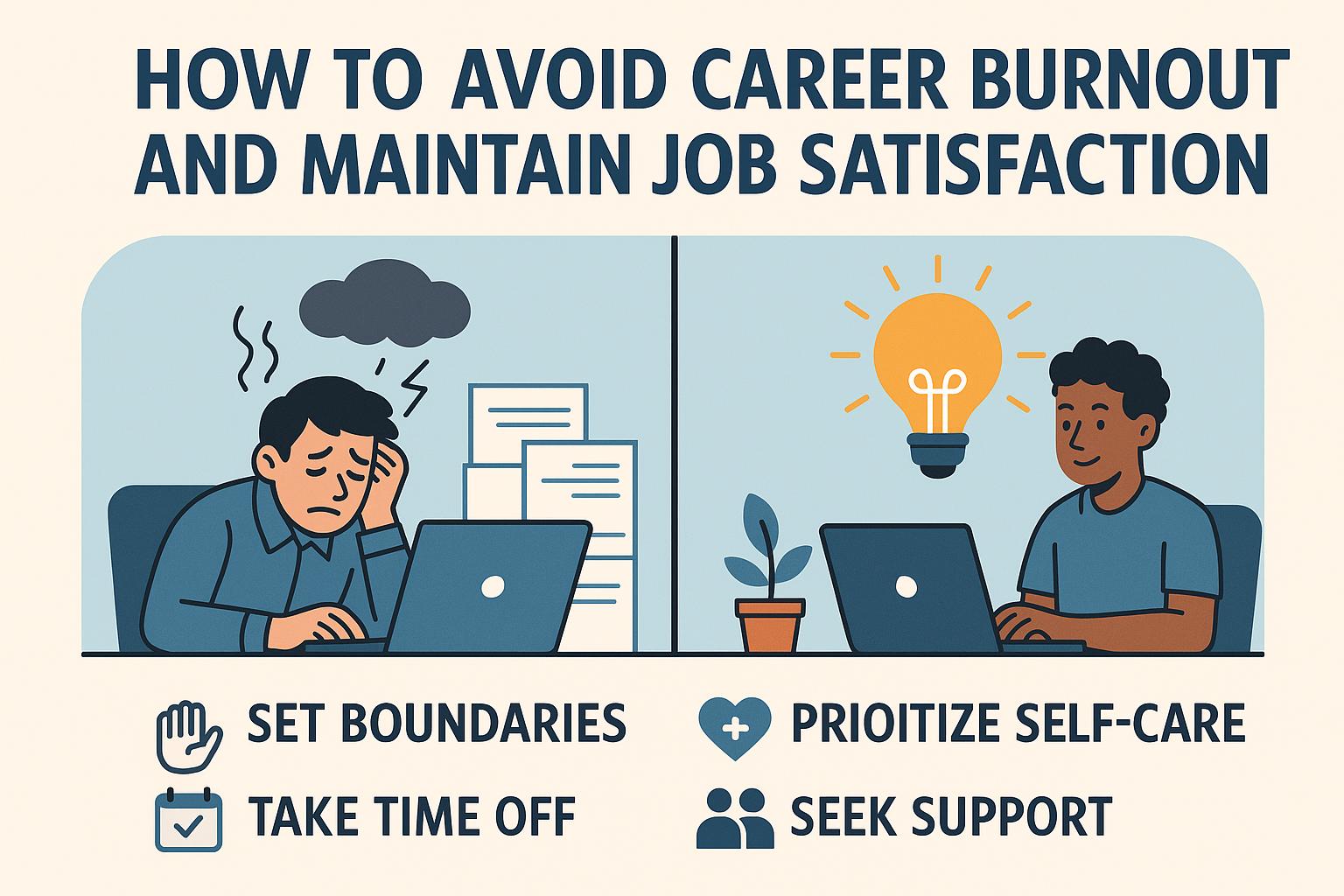
Understanding Career Burnout
Career burnout is a significant issue that affects many professionals across various industries. Defined as a state of emotional, physical, and mental exhaustion, it is often the result of prolonged and excessive stress. This state occurs when individuals consistently feel overwhelmed, drained, and unable to meet the relentless demands of their work environment. Therefore, recognizing the symptoms of burnout is the fundamental step in effectively addressing and managing it. Common symptoms of burnout include persistent fatigue, a growing cynicism towards job responsibilities, and a noticeable decline in professional productivity and effectiveness.
Identifying the Causes of Burnout
Understanding the root causes of burnout is crucial for prevention and management. Typically, burnout does not arise from a single factor but is often the result of several compounding elements. Let’s explore some primary sources of burnout:
Excessive Workload: In today’s fast-paced work environments, having an overwhelming number of tasks and responsibilities can lead to significant stress and physical exhaustion. When expectations are unreasonably high, and there is little time to complete tasks, employees may find themselves consistently struggling to keep up.
Lack of Control: Employees may experience burnout when they feel that they have little to no control over their job or that they cannot influence important decisions affecting their work. This sense of powerlessness can lead to feelings of frustration and helplessness, fueling the burnout process.
Insufficient Rewards: Another contributing factor is inadequate compensation, recognition, or rewards for one’s efforts. When there is a lack of appreciation or acknowledgment, job satisfaction diminishes, contributing to emotional exhaustion and a sense of futility.
Poor Work-Life Balance: Maintaining a harmonious balance between work commitments and personal life is essential for well-being. When work intrudes heavily into personal life, leaving little time for relaxation or personal pursuits, burnout becomes an imminent threat.
Strategies to Prevent Burnout
Addressing burnout requires a proactive approach that integrates several strategies tailored to individual circumstances. Implementing these strategies can significantly mitigate the risk of burnout:
Set Realistic Goals
Goal setting is foundational to avoiding burnout. Ensure that the goals you set are realistic and attainable, thereby minimizing feelings of being overwhelmed. Breaking down larger tasks into smaller, manageable steps can also help maintain focus and reduce stress.
Prioritize Self-Care
Self-care should be a priority rather than an afterthought. Devote time to activities that enhance physical and mental well-being, such as engaging in regular exercise, getting adequate sleep, and adopting a balanced diet. These practices contribute significantly to maintaining energy levels and reducing stress.
Establish Boundaries
Creating clear boundaries between work and personal life is fundamental in preventing burnout. Ensure that work tasks do not infringe upon personal time by setting firm boundaries. Allocate specific times for non-work-related activities that offer relaxation and enjoyment.
Seek Support
Building a support network can provide immense benefits. Engage with colleagues, friends, or family members to share your experiences and gain support. Furthermore, professional networks or support groups can offer resources and perspectives that might not be available in one’s immediate circle.
Enhance Time Management Skills
Effective time management is crucial in balancing work responsibilities with personal activities. Developing or improving time-management skills can help prioritize tasks, avoid unnecessary stress, and achieve a more organized workday.
Maintaining Job Satisfaction
Job satisfaction plays a pivotal role in a person’s overall well-being and career development. Here are some strategies to amplify satisfaction within one’s role:
Engage in Professional Development
Seeking opportunities for skill advancement and continuous learning can substantially boost job satisfaction. Engaging in professional development keeps work engaging, improves competence, and opens doors to new career prospects.
Recognize Achievements
Self-recognition is an important motivational tool. Acknowledge and celebrate your accomplishments, regardless of their magnitude. Regularly recognizing your achievements fosters a sense of fulfillment, boosts morale, and enhances motivation to continue pursuing career goals.
Communicate Effectively
Maintaining open and effective communication lines with supervisors and colleagues is indispensable for job satisfaction. Through transparent communication, employees can express concerns, seek advice, and work collaboratively, fostering a supportive work environment conducive to growth and efficiency.
Incorporating these strategies into your routine can significantly reduce the risk of burnout while promoting a satisfying and balanced career path. Not only do they address the immediate symptoms of burnout, but they also foster long-term well-being and professional development, contributing to a healthier and more fulfilling career trajectory.
This article was last updated on: March 1, 2026