
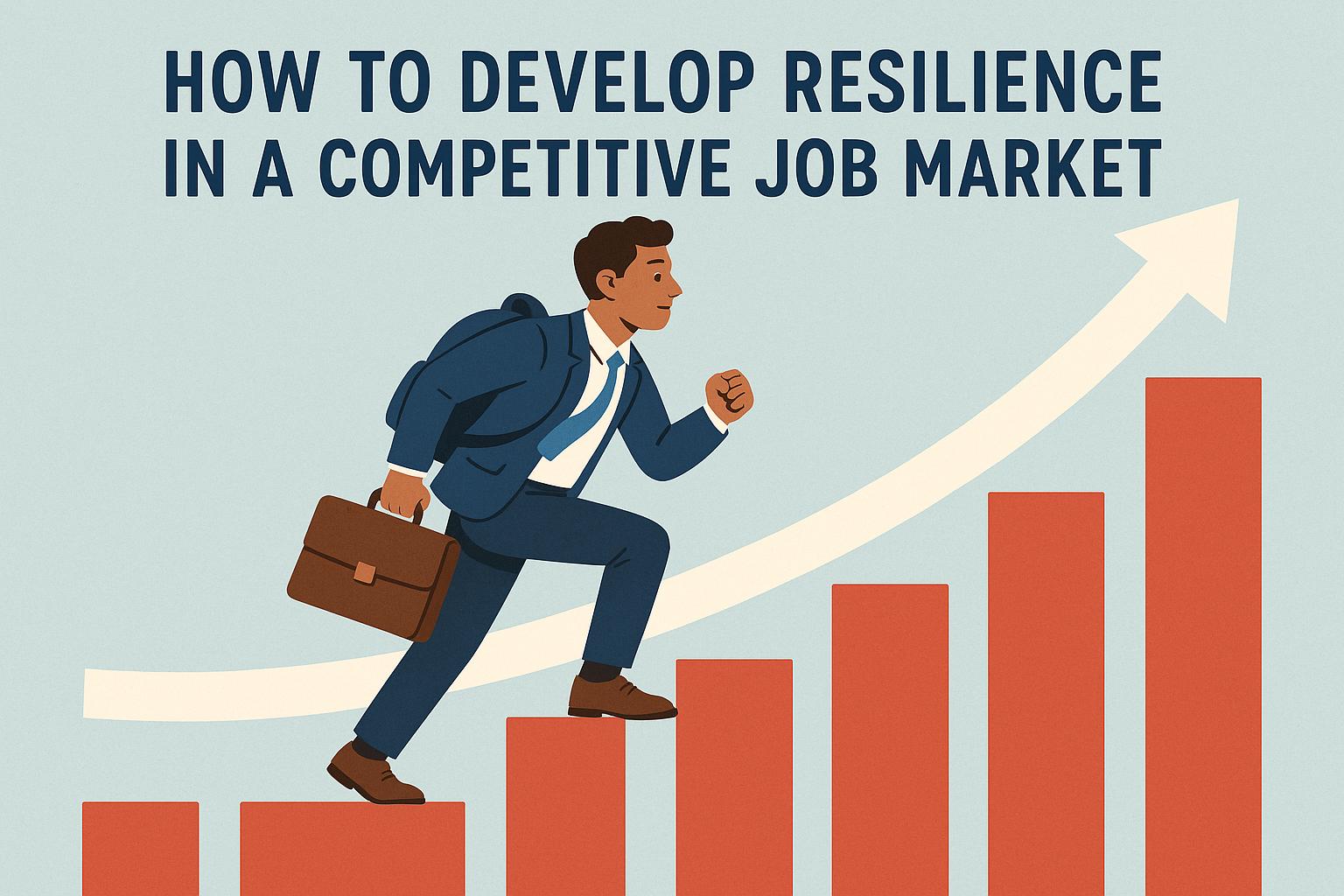
Understanding Resilience in the Job Market
In today’s rapidly changing job market, developing resilience is crucial. Resilience refers to the ability to quickly recover and adapt in challenging situations, encompassing both personal and professional realms. This quality is especially important when navigating a competitive job market, where setbacks and rejection are common occurrences. To thrive in such an environment, professionals must be able to effectively bounce back from adversity, maintain focus on their goals, and continue progressing in the face of obstacles.
The Importance of Resilience
Resilience in the job market holds substantial significance for a variety of reasons. Firstly, it is integral to maintaining a healthy level of motivation and focus. When faced with rejection or setbacks, resilient individuals do not lose sight of their career goals. Rather, they view these challenges as temporary hurdles rather than insurmountable barriers. Secondly, resilience encourages adaptability, enabling professionals to adjust to new circumstances and demands. This adaptability is crucial in a job market where industries are continually evolving and new skills are constantly in demand. By cultivating resilience, individuals position themselves to successfully navigate an ever-changing professional landscape.
Developing a Resilient Mindset
A fundamental aspect of resilience is developing the right mindset. Central to this is adopting a growth mindset, which is the belief that abilities and intelligence can be developed through dedication and hard work. Embracing this perspective enables professionals to view challenges as opportunities for growth and learning rather than threats to success. When individuals approach their careers with a growth mindset, they are more likely to persist through difficult times, find creative solutions, and ultimately achieve their goals, despite the setbacks they may encounter.
Building Strong Networks
An often-overlooked component of resilience is the support offered by professional networks. Networking can play a pivotal role in building resilience, as a strong professional network provides access to support and resources in times of need. These networks can offer encouragement and advice, and in some cases, they can even provide job leads, making it easier to navigate the job market. Developing and nurturing relationships within one’s industry can open doors to new opportunities and provide a sense of community, all of which contribute to a more resilient professional life.
Continuous Learning and Skill Development
Remaining up-to-date with industry trends and consistently developing new skills is essential in a competitive job market. This proactive approach not only ensures that professionals remain employable and competitive but also greatly enhances resilience. Pursuing online courses, attending workshops, and participating in seminars are excellent ways to gain new skills and knowledge. By committing to lifelong learning, individuals not only bolster their job prospects but also build confidence and adaptability. Such a commitment equips professionals with the tools to meet the demands of a rapidly evolving job market head-on.
Emphasizing Self-Care
Maintaining resilience also involves focusing on self-care. Implementing stress management techniques such as mindfulness practices and regular exercise can help individuals maintain a positive outlook and effectively manage job search-related stress. Self-care is a fundamental aspect of resilience because it allows individuals to replenish their energy and avoid burnout. Consistently scheduling time for relaxation and personal pursuits is vital for sustaining the motivation, energy, and concentration required to effectively pursue job opportunities. By prioritizing their well-being, professionals can ensure that they are mentally and physically prepared to face the challenges of the job market.
Understanding Rejection as a Valuable Experience
Rejection is an inevitable part of the job search process, and learning how to handle it is a crucial aspect of building resilience. Understanding and accepting this reality can transform rejection into a valuable learning experience. Professionals should strive to process each setback productively by seeking feedback and identifying areas for improvement. This means approaching rejection not as a comment on one’s worth but as an opportunity to refine strategies and skills. By adopting this proactive approach, individuals can significantly strengthen their resilience and enhance future job search efforts.
Strategies for Building Resilience
There are several strategies that can assist in building resilience in the job market. Setting realistic goals and maintaining a flexible action plan are particularly important. When individuals set clear, attainable objectives and remain open to adjusting their plans, they can better manage the unforeseen challenges that arise. Additionally, cultivating a positive self-image and reinforcing self-belief are essential components. Professionals should acknowledge their achievements and recognize their capability to overcome difficulties. Fostering emotional intelligence, staying patient, and practicing gratitude further encourage resilience.
The Role of Mentors and Advisors
Mentorship can significantly enhance one’s resilience in the job market. Experienced mentors and advisors can provide valuable insights, guidance, and encouragement, helping mentees navigate challenges and avoid common pitfalls. By offering a different perspective based on their experiences, mentors enable professionals to broaden their understanding and approach. The mentor-mentee relationship can also inspire self-confidence, offering reassurance during trying times. Seeking mentorship opportunities within one’s industry can serve as an additional pillar of strength and resilience.
In conclusion, resilience is a key characteristic that empowers individuals to navigate the complexities of the job market successfully. Embracing a growth mindset, building strong professional networks, engaging in continual learning, prioritizing self-care, learning from rejection, and utilizing strategies for resilience all contribute to a robust, adaptive approach to career development. For further guidance and resources on career resilience strategies, professionals should consider exploring platforms like Careeronestop or MindTools to enhance their understanding and application of these concepts.
This article was last updated on: October 11, 2026