
Understanding the Industry Landscape
When embarking on the journey of transitioning into a new industry, it becomes of utmost importance to develop a thorough understanding of the industry landscape you are entering. This involves engaging deeply with various resources to gather comprehensive knowledge that can inform your decisions.
Engaging with industry reports, journals, and news articles is one of the key initial steps you should consider. These resources provide a foundational understanding of the current state of the industry, its historical development, and potential future trends. Publications such as Forbes and Bloomberg are renowned for their data-driven insights and expert opinions, making them valuable tools for anyone looking to deepen their industry knowledge. These platforms often provide analyses from seasoned experts, which can be instrumental in understanding diverse market dynamics and competitor strategies.
Networking and Building Connections
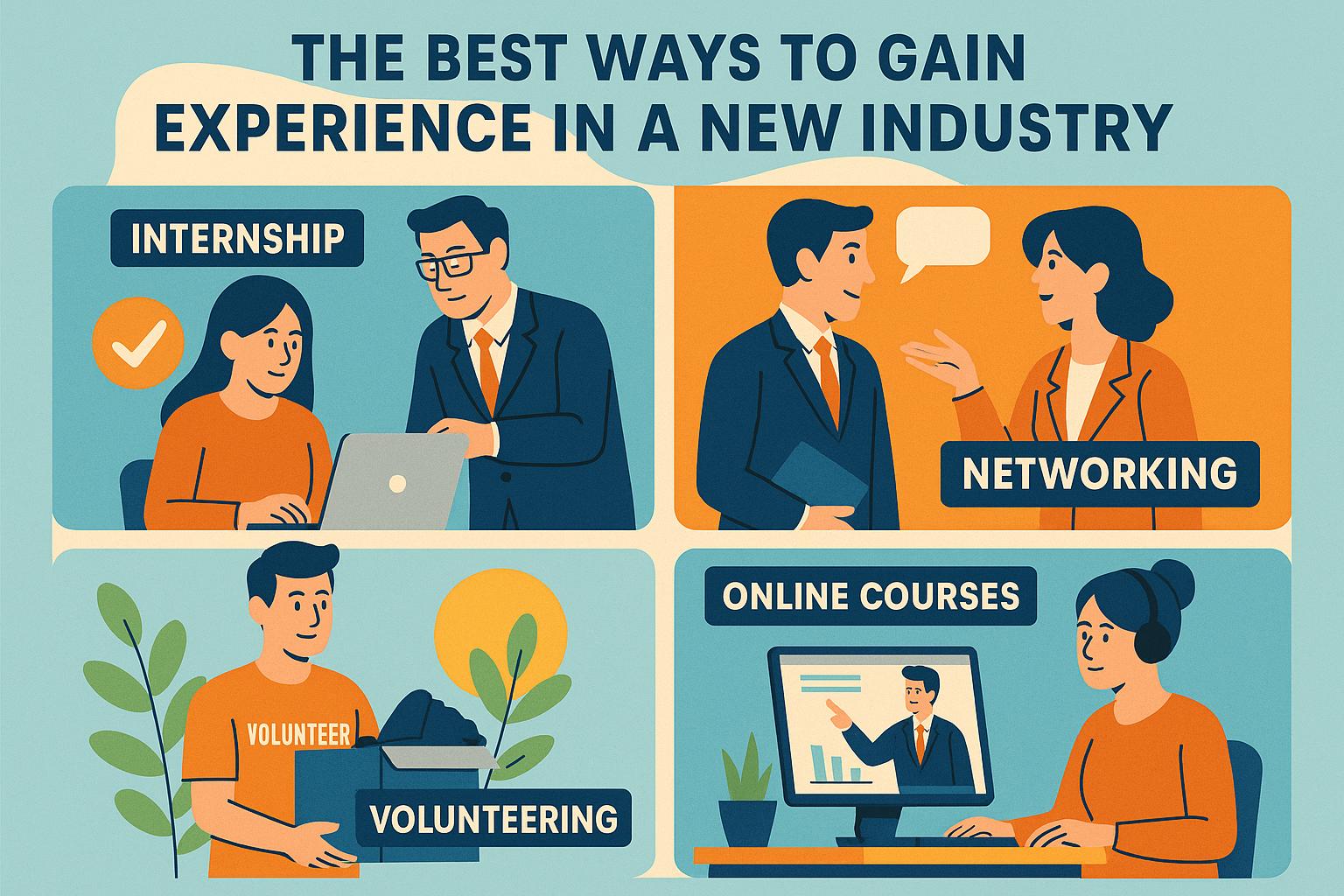
Once you have gained preliminary knowledge, the next strategic step is to build a network within the industry. Networking is a pivotal method to not only gain insights but also establish connections that might lead to potential opportunities. Start by attending industry conferences, workshops, and webinars. These events are excellent venues for meeting industry professionals who can provide guidance and share their experiences with you.
Informational Interviews
In addition to attending events, engaging in informational interviews is a highly effective strategy. By reaching out to seasoned professionals and requesting an interview, you gain the chance to have direct conversations with individuals who have first-hand industry experience. During these meetings, valuable information about industry trends, challenges, and potential opportunities can be unearthed, aiding in your acclimatization process to the new field.
Volunteering and Internships
Another practical approach to understanding a new industry is through volunteering or pursuing internships. These positions, while not always financially lucrative, provide exposure to real-world scenarios that are invaluable for skill development and acquiring industry-specific expertise. Immersing yourself in day-to-day operations offers the chance to learn and adapt quickly, skills that are often difficult to develop through theoretical study alone.
Shadowing Experienced Professionals
Consider shadowing experienced professionals as a complement to traditional internships. This method allows you to observe and understand the workflows, methodologies, and best practices firsthand. By watching how seasoned practitioners navigate their roles, you gain insights into professional conduct, decision-making processes, and task management.
Skill Development and Certifications
As you delve deeper into the industry, focus on developing specific skills that align with industry demands. Enrolling in online courses or workshops tailored to the sector you’re entering can significantly enhance your capabilities. Websites such as Coursera and Udemy provide extensive course selections that cater to varied interests and expertise levels. Besides knowledge enhancement, earning relevant certifications from these platforms can substantiate your growing expertise, making it more recognizable to potential employers.
Professional Certifications
Professional certifications are well-regarded in any industry and can markedly strengthen your professional profile. Identifying which certifications hold the most value within your target industry is essential. Actively engage in programs that can add significant value to your resume, demonstrating to employers your commitment to mastering industry-specific knowledge and skills.
Joining Industry-Related Associations
Aligning with industry-related associations can further bolster your transition by affording access to additional resources, training, and networking opportunities. Often, these associations host events where you can meet like-minded professionals and gain insights into industry trends. Additionally, they may publish valuable research, and their platforms present a space to establish contacts that can be crucial for career development.
Engaging in Freelance or Project-based Work
If possible, involve yourself in freelance or project-based work. This hands-on experience allows you to apply theoretical understanding and practical skills in tangible projects, thereby enhancing your portfolio. Project work not only builds practical experience but also refines your understanding of industry-specific needs and workplace environments.
By implementing these strategies, a systematic build-up of expertise and confidence in a new industry can be achieved. While each approach provides distinct advantages, combining these strategies offers a comprehensive, multi-faceted experience, laying a solid foundation for a successful industry transition. The path to adaptation and expertise involves dedication, continuous learning, and proactive engagement with both formal education and professional experience in the field.
This article was last updated on: July 12, 2026