
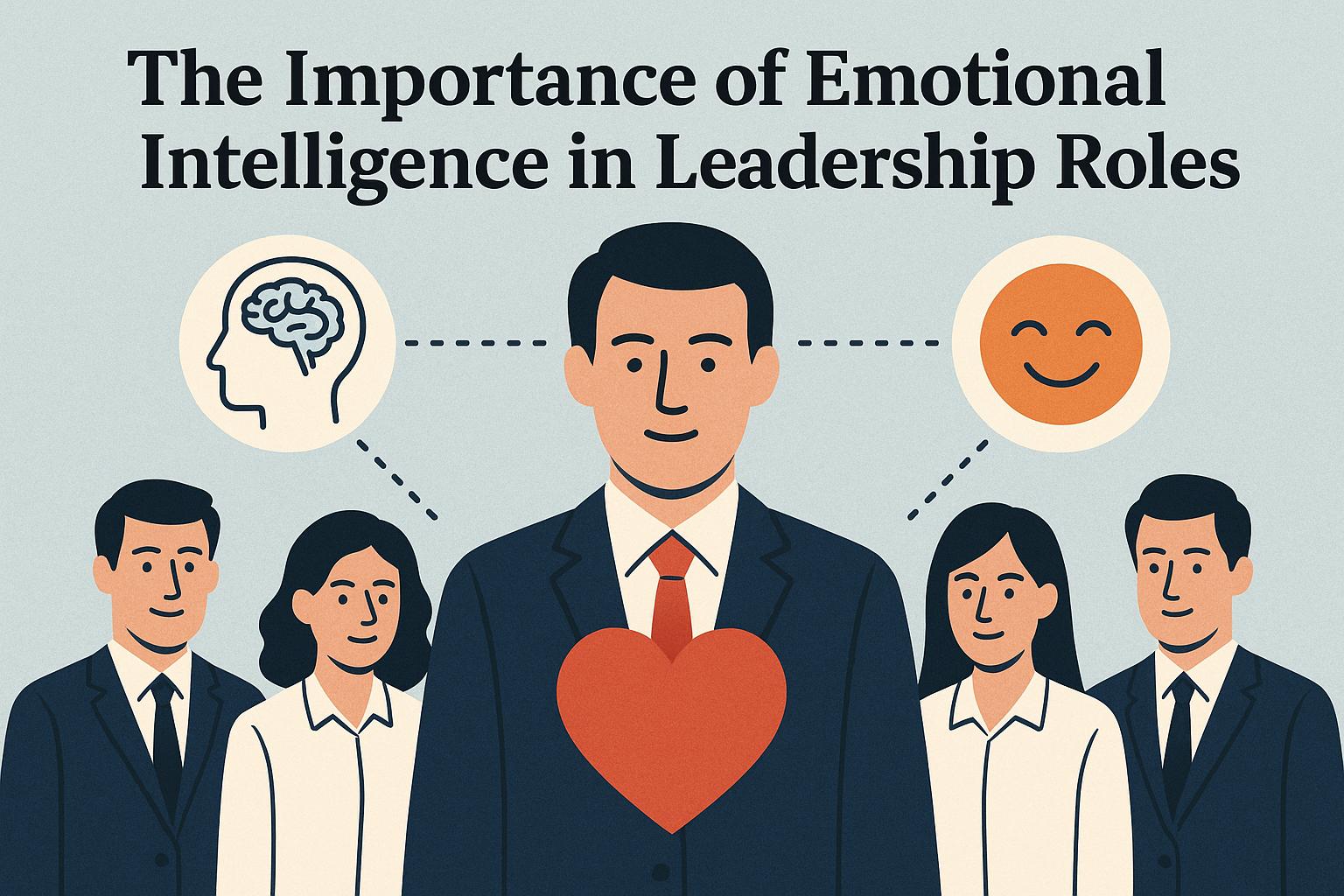
The Concept of Emotional Intelligence
Emotional Intelligence (EI) is a critical skill set in today’s leadership landscape, encompassing the ability to recognize, understand, and manage one’s own emotions, as well as the emotions of others. This concept, popularized by psychologist Daniel Goleman, involves a blend of self-awareness, self-regulation, motivation, empathy, and social skills. Leaders with high emotional intelligence are often able to foster healthy workplace environments and enhance team performance.
Key Components of Emotional Intelligence
Self-Awareness
The foundation of emotional intelligence is self-awareness, which involves understanding your own emotions and how they affect your thoughts and behavior. Self-aware leaders are typically more confident and able to make objective decisions. The ability to recognize emotions as they occur and the effect they have on one’s actions is vital. Recognizing how emotions impact work performance or relationships allows leaders to address and adjust their approaches more accurately, which not only refines personal performance but also sets a standard of integrity and humility for others to follow.
Self-Regulation
Self-regulation is the ability to control impulses, think before acting, and express emotions appropriately. Leaders who excel in this area are typically adaptable to change and adept at handling conflict constructively. Being in control of your emotions means being less reactive, maintaining professionalism, and keeping disruptive emotions in check. It involves staying calm under pressure and choosing responses thoughtfully. Leaders who can regulate their feelings create an environment of trust and fairness, where opinions are respected, and rational decision-making is prevalent.
Motivation
A significant aspect of emotional intelligence, motivation involves a commitment to personal and organizational goals. Leaders who are intrinsically motivated can inspire passion and commitment in their teams, often leading to higher productivity levels. The drive for achievement, optimism even in the face of failure, and the desire for continuous improvement and innovation are integral to motivated leaders. They have a clear vision and mission that fuel their and their team’s progress, which contributes positively to the organization’s trajectory.
Empathy
Empathy allows leaders to understand and address the emotional needs and perspectives of their team members. This creates trust and promotes healthy working relationships. Empathetic leaders might find themselves better suited to navigate complex social dynamics. The ability to put oneself in another person’s shoes and recognize their feelings fosters an environment of understanding and cooperation. Listening actively and responding with sensitivity to the concerns of team members demonstrates a genuine interest in their well-being, which strengthens team cohesion and loyalty.
Social Skills
Social skills in the context of EI involve managing relationships to move people in desired directions. Leaders with high social skills can communicate effectively, resolve conflicts, and collaborate productively with others. Good social skills are essential in building and maintaining a strong organizational culture. This includes being persuasive, inspiring others to support and participate in their vision, and building networks and rapport. The ability to manage relationships effectively leads to the seamless coordination of activities and operations.
The Impact of Emotional Intelligence in Leadership
Leaders with high levels of emotional intelligence tend to bring about significant benefits to organizations. One of the most noticeable impacts is improved communication, which often results in increased employee satisfaction and reduced turnover. By understanding emotional cues, leaders are equipped to bridge gaps in understanding, leading to clearer, more effective communication throughout all levels of the organization.
Additionally, employees often exhibit higher levels of creativity and performance when led by individuals with strong emotional intelligence, as they feel supported and understood. This can lead to increased innovation within teams and contribute to organizational growth. Positive emotions fostered by harmonious relationships tend to spread, boosting morale and facilitating endless possibilities for creativity and problem-solving.
Developing Emotional Intelligence
While some individuals naturally exhibit higher levels of emotional intelligence, this skill can be nurtured and developed over time. Leaders can engage in ongoing training and development programs to enhance these skills. Programs such as workshops and seminars focused on emotional intelligence provide practical techniques for understanding and developing crucial EI skills.
Moreover, practical experience in varied situations allows leaders to refine their emotional intelligence. Interactions with diverse groups and perspectives challenge leaders to expand their emotional competencies. Reflective practices such as keeping a journal about emotional responses to situations and learning from these experiences augment personal growth.
Resources that provide structured guidance, such as MindTools, offer techniques and exercises for leaders seeking to boost their emotional intelligence. These tools can provide a structured approach to personal development, enabling leaders to harness the full potential of their team members. Engaging with mentors, coaches, and role models who display high emotional intelligence also affords opportunities to learn and adopt successful strategies.
Conclusion
Emotional intelligence is a pivotal aspect of effective leadership. By nurturing skills such as self-awareness and empathy, leaders can significantly impact their organization’s culture and performance. As the modern workforce continues to place a premium on collaboration and emotional health, leaders who prioritize and develop their emotional intelligence are better equipped to drive success and sustainability in their organizations. Addressing emotional intelligence as part of leadership development ensures that leaders are not only proficient in guiding individual and organizational achievements but also resilient in the face of challenges and adept in cultivating a supportive work environment that values emotional wellness as a core component of success.
This article was last updated on: May 31, 2026