
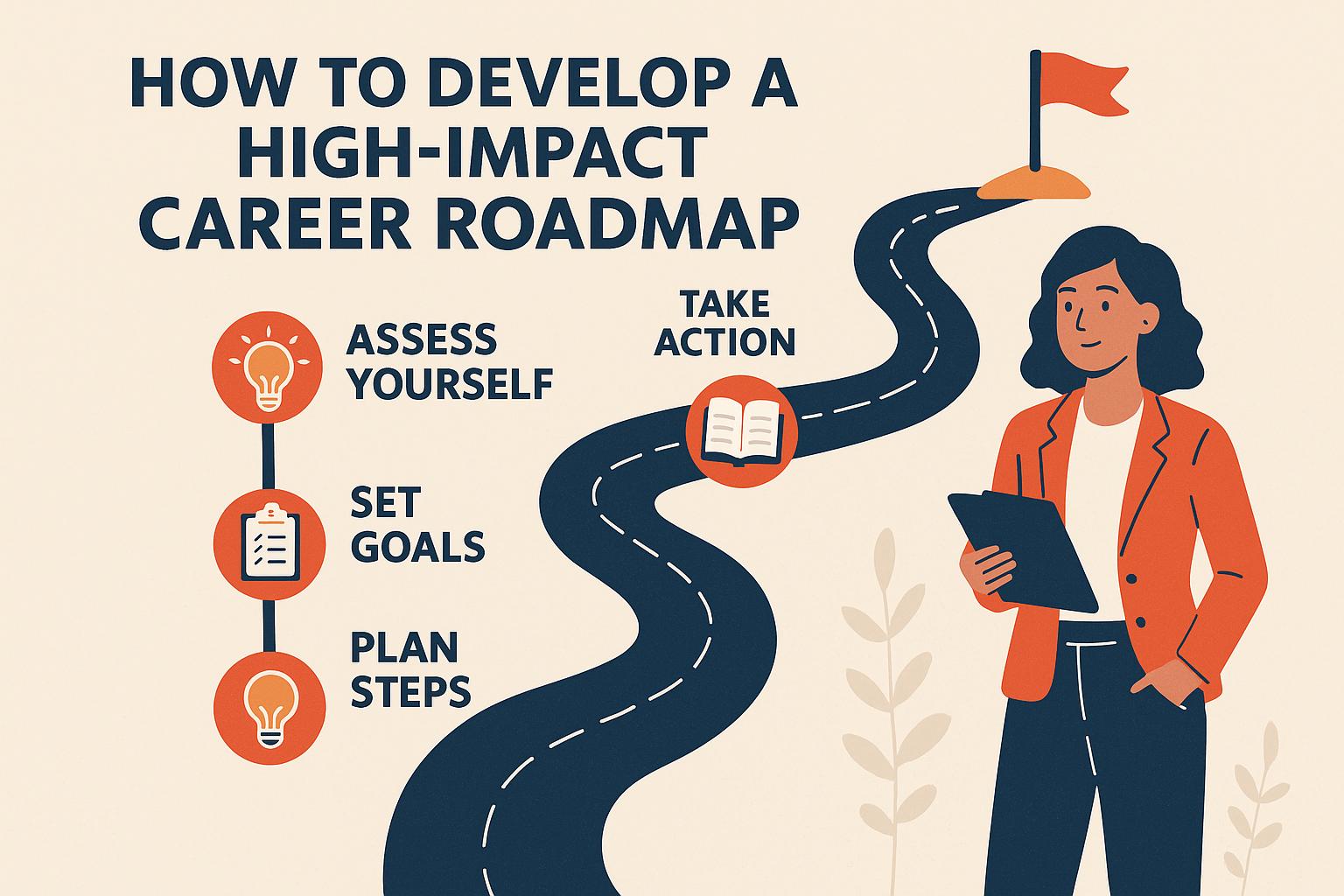
Understanding the Concept of a High-Impact Career Roadmap
A high-impact career roadmap serves as a strategic blueprint that individuals can use to align their professional goals with actionable steps. This plan involves gaining a comprehensive understanding of the broader landscape within one’s career field, identifying growth opportunities, and continuously assessing one’s progress. Creating such a roadmap demands a methodical approach and the flexibility to adapt as circumstances evolve.
Identify Your Career Goals
The initial step in developing a high-impact career roadmap is to clearly define what “high-impact” signifies for you personally. This definition could encompass various aspirations such as attaining a leadership position, working on innovative projects, or making significant contributions to industry advancements. Establishing goals that are specific, measurable, achievable, relevant, and time-bound—often referred to as SMART goals—is crucial in guiding your career development journey.
Conduct a Self-Assessment
An essential part of roadmap creation is performing a thorough self-assessment to comprehend your current standing relative to your goals. This assessment involves evaluating your strengths, weaknesses, opportunities, and threats through tools such as a SWOT analysis. Reflect upon your skills, expertise, and interests to pinpoint areas that may require further development. Online resources, including various career assessment tests, can offer additional insights to help refine your self-assessment.
Research and Analyze the Industry
A pivotal component of effective career planning is obtaining a comprehensive understanding of your industry. Being informed about market trends, technological advancements, and emerging roles can significantly influence your career trajectory. Utilize industry reports, publications from thought leaders, and online courses to gather valuable insights. These resources, supplemented by career platforms like CareerBuilder, can illuminate trends and opportunities you may not have previously considered.
Strategize Your Career Moves
Strategic planning involves outlining the specific steps required to achieve your career goals. Acquiring new skills, pursuing further education, seeking mentorship, or networking with industry professionals may all be part of this strategy. Developing a tactic that includes both short-term and long-term objectives will keep you focused on your path. For continuous learning, platforms such as Coursera can provide diverse course offerings to enhance your skill set across various domains.
Implement and Monitor Your Progress
Having established your roadmap, the next critical step is execution. Regular monitoring and evaluation of your progress can help identify areas requiring modification and adjustment. Setting periodic reviews at specific intervals allows you to assess your advancement towards your career objectives, ensuring that you remain aligned with your original blueprint. Additionally, receiving feedback from peers and mentors can offer unique perspectives and valuable guidance.
Adjust and Evolve Your Roadmap
Recognize that a high-impact career roadmap is not a static document but rather one that should evolve over time. Being open to modifying your plan as your personal goals and the industry’s landscape shift is essential. Displaying flexibility and resilience is key to maintaining momentum as you work towards achieving long-term success in your career.
Creating a high-impact career roadmap demands diligence, strategic planning, and effective execution. By consistently aligning your professional aspirations with strategically designed steps and remaining adaptable to changes, you can lay the groundwork for a rewarding and fulfilling career. Through careful planning and continual reassessment, a high-impact career roadmap can guide you toward meaningful professional achievements that align with your values and ambitions.
This article was last updated on: March 29, 2026