
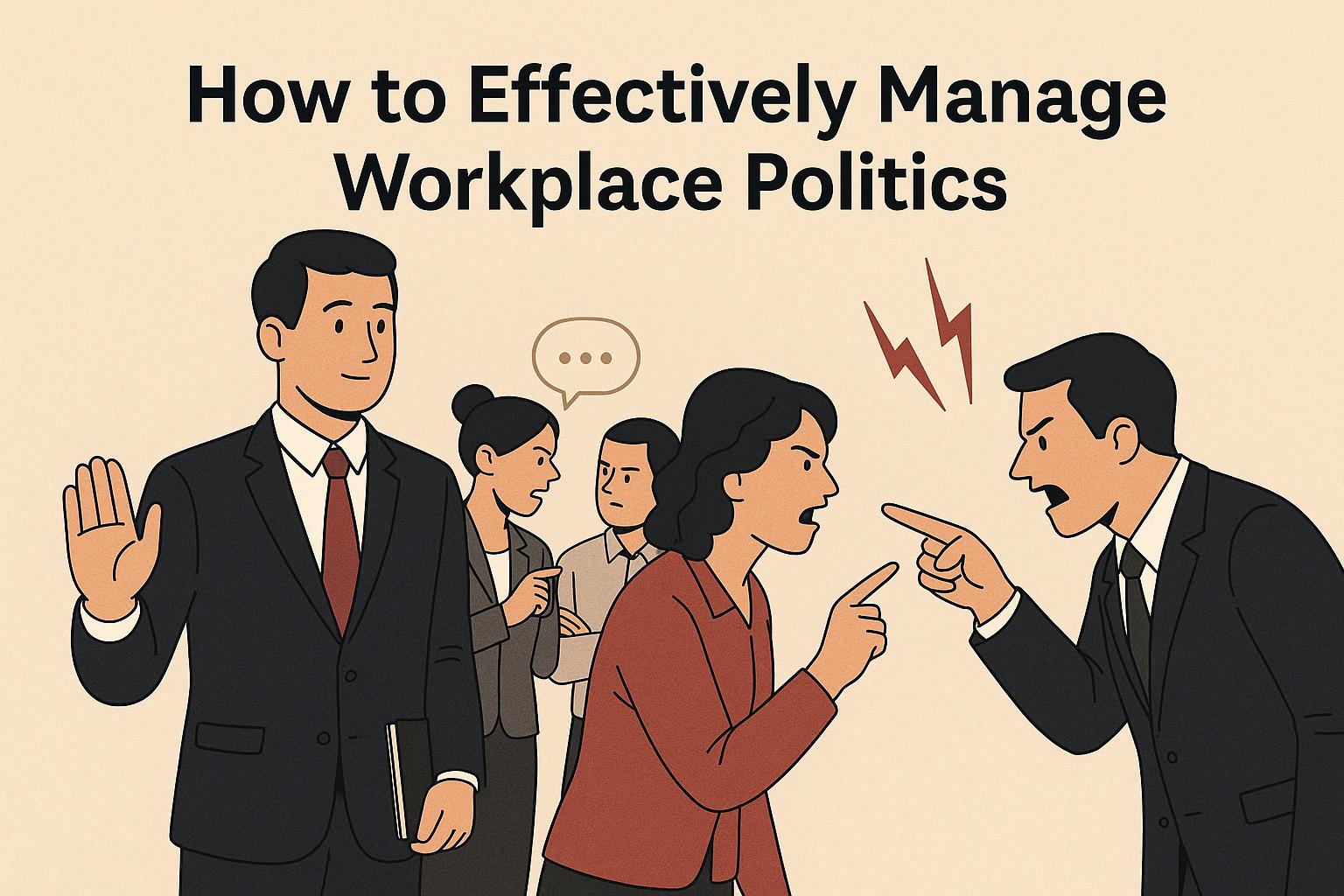
Understanding Workplace Politics
Workplace politics is an inevitable aspect of professional life, characterized by the dynamics of power, relationships, and interests among employees. Effective management of workplace politics is essential for maintaining a favorable work environment. Organizations can suffer from decreased productivity, low morale, and high turnover if such politics are allowed to impact the workplace negatively. Understanding the nuances behind these dynamics is the first step toward effectively managing them.
The modern workplace is a complex ecosystem where individuals with diverse backgrounds, skills, and motivations come together to achieve organizational goals. This diversity, while beneficial, adds layers of complexity to interpersonal interactions, opening the door to what is often referred to as “workplace politics.” Far from being a trivial issue, workplace politics can influence decision-making processes, affect employee relationships, and impact an organization’s overall atmosphere.
At its core, workplace politics involves the strategies individuals use to gain advantage within a professional setting. These strategies might include forming alliances, leveraging personal connections, or sometimes navigating organizational hierarchies to achieve personal or professional objectives. While these actions are not inherently negative, when not managed properly, they can lead to a workplace environment characterized by mistrust and division.
The Role of Communication
Communication is a critical factor in managing workplace politics. Transparent and open communication can help in mitigating misunderstandings and conflicts. Leaders and managers should encourage an atmosphere where employees feel comfortable voicing their concerns and ideas. Regular team meetings, feedback sessions, and open-door policies are examples of how organizations can foster effective communication.
Effective communication serves as the backbone of a politically stable workplace. When employees are encouraged to express their thoughts and concerns without fear of retribution, it builds an atmosphere of trust and transparency. Furthermore, promoting active listening and open dialogue between different levels of the hierarchy can break down barriers that often contribute to political maneuvering.
Implementing structured communication channels such as town hall meetings, where employees have direct access to senior management, encourages transparency. These forums allow employees to discuss their viewpoints on company strategies and policies, thereby reducing the scope for misunderstandings and rumors, which often fuel political behavior.
Emphasizing Integrity and Ethics
Promoting a culture of integrity and ethical behavior is imperative in managing workplace politics. Organizations should establish clear codes of conduct and emphasize ethical guidelines during employee training and development programs. Employees should be encouraged to make decisions based on what is right rather than personal gain. A commitment to ethics helps in curtailing manipulative behaviors and fosters trust among team members.
Employees need to understand that maintaining ethical standards is not just a corporate responsibility but a personal one as well. Organizations can strengthen their ethical fabric by ensuring that all employees, from junior staff to top executives, undergo periodic training that reinforces the principles of right conduct in professional interactions.
Moreover, ethical behavior should be consistently rewarded and recognized within the organization. Creating a culture that celebrates integrity ensures that ethical decision-making becomes second nature, reducing the temptation to engage in underhanded tactics for personal or professional advancement.
Building Strong Relationships
Fostering strong interpersonal relationships can serve as a buffer against negative political maneuvers. Employees should strive to develop rapport with colleagues across various departments. This can be achieved through collaborative projects, social events, and team-building activities. Building a network of allies can provide support and provide diverse perspectives that aid in neutral decision-making.
Workplace relationships built on mutual respect and collaboration can act as a deterrent against divisive politics. When employees have strong interpersonal relationships, it creates a supportive network where individuals are less likely to feel isolated or marginalized—common triggers for engaging in political behavior.
Organizational initiatives such as cross-departmental projects can foster a culture of collaboration over competition. These initiatives can break down silos within the company structure and encourage employees to engage with colleagues from different backgrounds and expertise, thereby enriching the workplace environment and reducing the need for political maneuvering as a method of advancing one’s agenda.
Developing Emotional Intelligence
Emotional intelligence (EI) plays an essential role in navigating workplace politics. Employees with high levels of EI can effectively recognize and understand their own emotions as well as those of others, allowing them to manage relationships judiciously. Organizations can facilitate EI development through workshops and training programs that focus on self-awareness, empathy, and emotional regulation.
Building emotional intelligence in a workforce can significantly mitigate the negative aspects of workplace politics. Employees with high EI are better equipped to navigate complex interpersonal dynamics, recognize political tactics, and respond appropriately. They can assess whether a situation warrants direct engagement or if it is better resolved through discussion and compromise.
Moreover, high EI can enable leaders to identify potential political hotspots—areas of the business where competitive tensions might ripple into full-blown conflict—faster than other management tactics. With this emotional understanding, organizations can proactively respond to brewing conflicts before they negatively impact the rest of the workplace.
Handling Conflict Resolution
Effective conflict resolution skills are crucial in overcoming workplace politics. Unresolved conflicts can exacerbate political issues, so it’s vital to address them proactively. Techniques such as mediation, negotiation, and problem-solving strategies should be part of the training provided to employees. By promoting a problem-solving culture, organizations can avert negative political encounters.
The ability to address and resolve conflicts in the workplace swiftly serves as a significant coup against divisive politics. Timely conflict resolution ensures that disagreements do not spiral into deeper resentment or create factions among employees. To achieve this, organizations should provide employees with conflict resolution training, offering them practical techniques in mediation and negotiation.
Besides technical skills, cultivating a culture where employees understand that it is okay to disagree—but within a framework of constructive communication and a shared goal of resolution—can significantly weaken the grip of workplace politics. By emphasizing that every employee’s voice matters, and conflicting viewpoints can lead to innovative solutions, organizations can turn potential threats into opportunities.
Conclusion
Navigating workplace politics requires a strategic approach, with an emphasis on communication, ethics, relationship building, emotional intelligence, and conflict resolution. By implementing these strategies, organizations can create a harmonious work environment that minimizes the adverse effects of office politics. This not only enhances employee morale but also drives organizational success. For more insights on effective workplace strategies, consider exploring resources on professional development platforms or consulting with organizational behavior experts.
To maintain a healthy organizational atmosphere, it is crucial to view workplace politics not merely as a challenge but as an opportunity for growth and learning. Organizations that understand the underlying dynamics can actively foster a work culture where individuals are valued for their contributions, and collaboration takes precedence over competition.
Ultimately, the key lies in embedding these strategies into the very fabric of company culture. Emphasizing them not only during training but also through consistent practice, recognition of best practices, and open communication channels ensures that the organization remains adaptable, resilient, and politically savvy.
This article was last updated on: March 15, 2026