
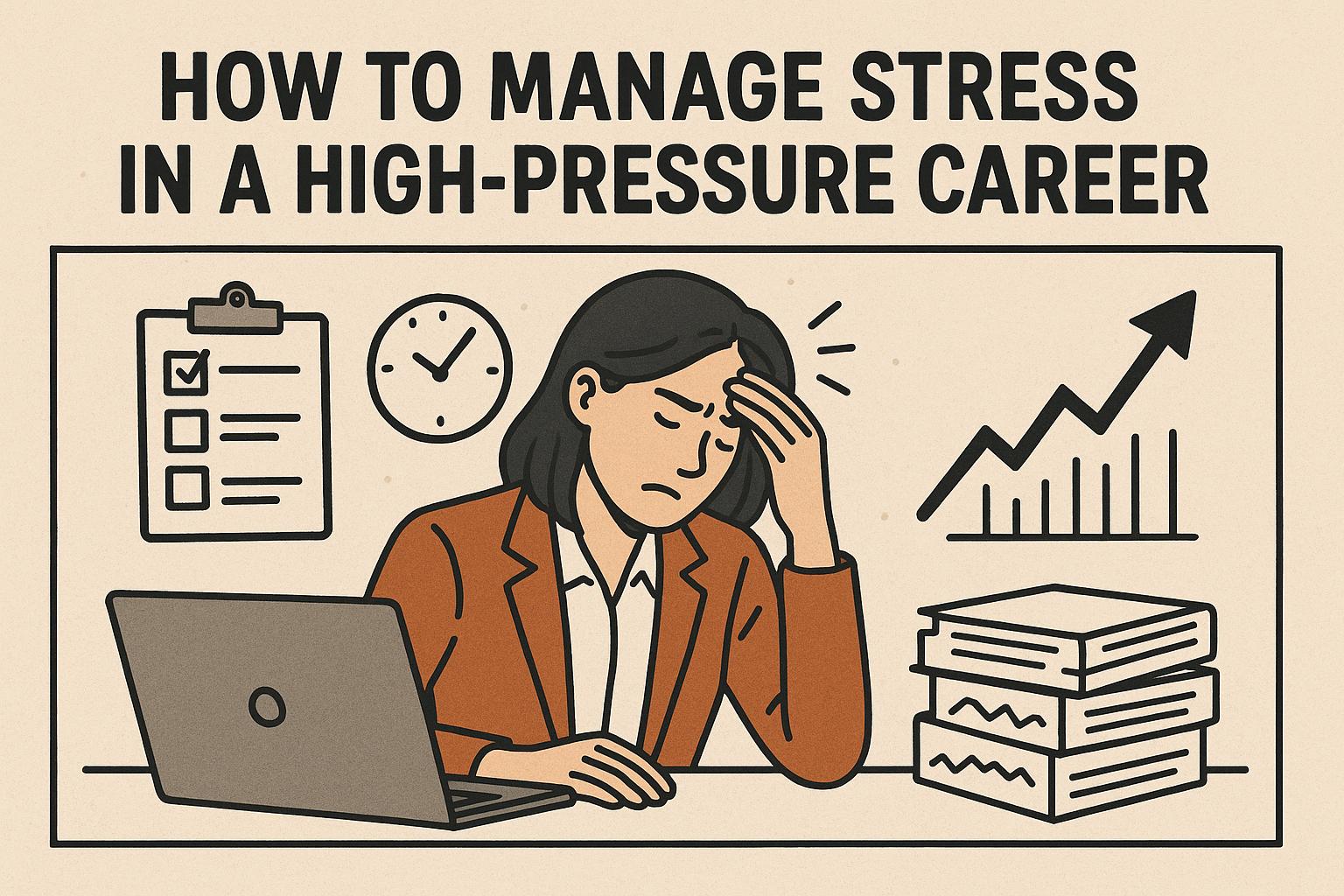
Understanding Stress in High-Pressure Careers
High-pressure careers often come with immense responsibilities and tight deadlines, leading to significant stress levels. These careers are characterized by high demands and expectations, creating a challenging atmosphere that can affect individuals both personally and professionally. Understanding the causes and effects of stress in these careers is crucial for effective management. Stress in the workplace can result from excessive workloads, lack of control, unclear job expectations, and long hours. These factors can lead to physical, emotional, and behavioral symptoms that require attention and management to maintain overall well-being and job performance.
Recognizing the Symptoms of Stress
It is essential to recognize the symptoms of stress to manage it effectively. These symptoms are the body’s signal that it is experiencing adverse effects due to overwhelming pressure. Symptoms can be physical, emotional, or behavioral. Physical symptoms include headaches, fatigue, and sleep disturbances, which are often the first indicators of stress. Emotional symptoms might include anxiety, irritability, and depression, signaling a need for mental health intervention. Behavioral indicators can range from changes in appetite to withdrawal from social interactions, affecting relationships both at work and home.
The Importance of Time Management
Effective time management is a critical strategy in managing stress within high-pressure careers. By organizing tasks and prioritizing responsibilities, individuals can better handle the workload. Prioritizing tasks allows individuals to focus on the most important assignments, reducing the sense of being overwhelmed. Breaking tasks into smaller, manageable parts can make large projects seem less daunting. Utilizing digital tools such as Todoist or Evernote for task organization can improve efficiency and reduce stress. These tools help in tracking progress and ensuring deadlines are met without unnecessary pressure.
Maintaining a Work-Life Balance
Balancing professional responsibilities with personal life is crucial for sustained well-being. It prevents burnout and ensures long-term productivity and satisfaction in one’s career. Setting clear boundaries between work and personal time helps prevent burnout. Engaging in regular physical activities, pursuing hobbies, and spending time with family and friends can enhance work-life balance. By allocating time for personal interests and relationships, individuals can recharge and return to their professional duties with renewed energy and focus.
The Role of a Support System
Having a strong support system at work and home can significantly alleviate stress. Colleagues, mentors, or managers can offer guidance, share workload, or provide constructive feedback, creating a supportive work environment. Outside the workplace, friends and family can offer emotional support and serve as a sounding board for stressors experienced. These relationships are vital in providing perspective and encouragement, helping to navigate challenges more effectively.
Effective Stress Management Techniques
Different techniques can help manage stress effectively, each offering unique benefits. One approach is mindfulness meditation, which encourages a focus on the present and promotes relaxation. This practice helps individuals become more aware of their thoughts and feelings, leading to enhanced emotional regulation. Regular exercise is another effective stress reducer, as it boosts endorphin levels, improves mood, and enhances overall health. Physical activity not only benefits physical health but also acts as a natural mood lifter, countering the negative effects of stress.
Seeking Professional Help
In some situations, professional assistance may be necessary to manage stress effectively. Engaging with mental health professionals such as therapists or counselors can provide coping strategies and treatment plans tailored to individual needs. These professionals offer insights and techniques that foster resilience and adaptability. Utilizing Employee Assistance Programs (EAPs) often found in workplaces can be beneficial as well. EAPs provide confidential support services, including counseling and workshops, designed to support employees in managing personal and professional challenges.
Conclusion
Managing stress in high-pressure careers requires a combination of personal coping strategies and support from professional and personal networks. By implementing effective time management, maintaining a work-life balance, and seeking necessary support, stress can be managed effectively, leading to improved job satisfaction and overall well-being. Recognition of stress symptoms and addressing them promptly ensures that individuals remain productive and fulfilled in their professional roles. In conclusion, while high-pressure careers present challenges, with the right strategies and support systems, individuals can navigate these difficulties successfully, maintaining their health and achieving career objectives.
This article was last updated on: February 1, 2026