
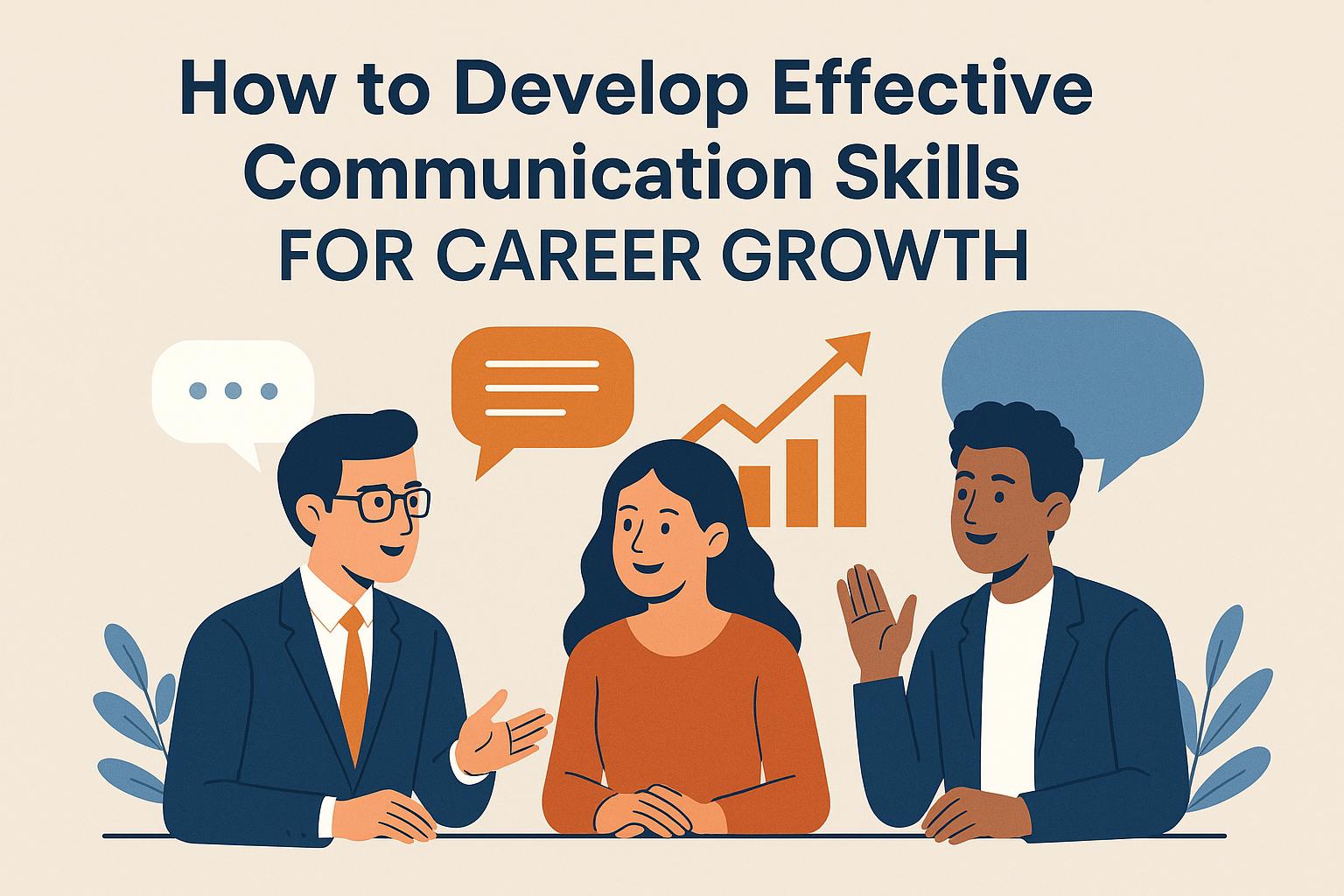
Understanding the Importance of Effective Communication Skills
Effective communication skills are indispensable for career growth across diverse industries. These skills empower professionals to articulate their ideas clearly, collaborate effectively with colleagues, and cultivate strong relationships with clients and stakeholders. In an increasingly interconnected and global workplace, the demand for skilled communicators is on the rise. Enhancing your communication abilities is therefore a key asset in pursuing career success.
Verbal Communication
Proficient verbal communication is fundamental across various professional scenarios, such as during meetings, presentations, and everyday interactions. Improving verbal communication involves several important strategies:
Clarity and Conciseness: It is vital to keep your language clear and focused. Avoid using jargon unless it is widely understood by your audience. Clarity ensures that your message is easily grasped, while conciseness shows respect for your listener’s time.
Active Listening: Communication is inherently a two-way process. Listening actively involves showing genuine interest in the speaker’s message and providing relevant feedback when necessary. This skill allows for more meaningful exchanges and can prevent misunderstandings.
Tone and Pace: Being mindful of your tone and speaking pace can enhance understanding and maintain the listener’s engagement. A calm and well-modulated voice tends to be easy to follow and can make your words more impactful.
Non-Verbal Communication
Non-verbal cues, such as body language and facial expressions, play a critical role in communication. Developing this skill involves mindful control over the following elements:
Body Language: Maintaining appropriate eye contact, using gestures to emphasize points, and adopting an open posture can convey confidence and engagement. Our body language often speaks louder than our words, signaling to others how we truly feel about the conversation.
Facial Expressions: Aligning your facial expressions with your message can convey sincerity and enthusiasm. These expressions can significantly enhance the listener’s understanding and can build a stronger connection with your audience.
Written Communication
Within the business context, the ability to write clearly and professionally is essential. Here’s how you can refine your written communication skills:
Structure: Logical organization of content enhances readability. Utilizing paragraphs, bullet points, and headings helps break up text, making it more digestible and retaining the reader’s attention.
Grammar and Style: Correct grammar and a suitable style are crucial for clarity and professionalism. Tools like Grammarly can assist in identifying errors and improving overall communication clarity.
Proofreading: Reviewing your written communications before sending them is an invaluable step. A thorough second look can catch errors that were initially missed and ensure that your message is effectively conveyed.
Interpersonal Communication
Interpersonal communication is about developing rapport and trust with others. Strengthening this skill involves:
Empathy: Seeking to understand things from the other person’s perspective is crucial. Responding with empathy and acknowledgment can foster stronger relationships and promote a more collaborative environment.
Feedback: Courteous and constructive feedback is paramount. Being open to receiving feedback in return is equally important and contributes to personal and professional growth.
Technology and Communication
As technology evolves, so too does workplace communication. Mastering digital communication platforms is now essential for career progression. The following skills are particularly important:
Email Etiquette: Use professional language and structure when composing emails. Being clear about the purpose of your communication helps maintain effective and productive interactions.
Virtual Meetings: Platforms such as Zoom or Microsoft Teams are commonly used for virtual interactions. Enhancing your skills in these settings can aid in effective communication and ensure meetings are productive.
Social Media: Proficiency in the do’s and don’ts of social media communication is crucial for maintaining a professional image. Understanding social media dynamics can enhance your ability to leverage these platforms effectively.
Continuous Learning
The journey towards effective communication is ongoing. Engaging in continuous learning through workshops and courses is beneficial. Resources such as Coursera offer a variety of courses that help polish these skills. Regular practice and learning are key to sustaining and enhancing your communication abilities.
By consistently working to enhance your communication skills, you not only improve your current professional role but also expand your future career opportunities. Effective communication is a significant investment in your professional success, ultimately leading to greater career satisfaction and achievement.
This article was last updated on: December 25, 2025